





What's Happening?
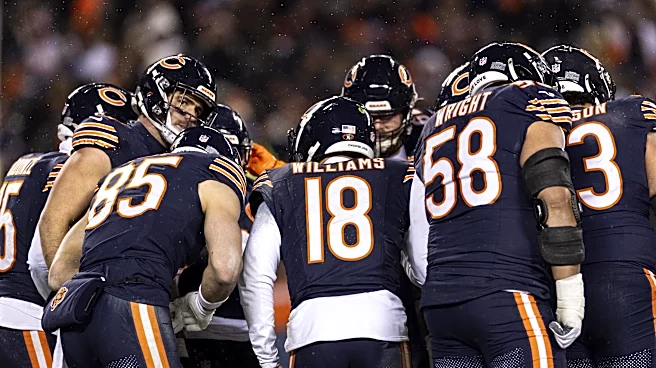
Illinois state lawmakers have returned to Springfield for their fall veto session with a key item on the agenda: potential legislation to facilitate a new stadium for the Chicago Bears. The Illinois House is scheduled for five days of meetings, and the Senate
for six, across this week and the first week of December. A proposed House Bill 958 would enable cities with populations over 70,000 to establish a stadium authority, allowing for the financing of publicly owned, property tax-exempt stadiums. This legislation could support the Bears' potential move to Arlington Heights or their decision to remain in Chicago. Neighboring suburbs, including Palatine and Rolling Meadows, are seeking representation on any future stadium development board to protect their interests. Governor JB Pritzker has indicated a desire for hearings on the stadium legislation this week, with a possible vote in early December. The Bears are also considering sites in Hammond, Indiana, and other locations within Chicago.
Why It's Important?
The potential stadium deal carries significant economic and political implications for Illinois. A new stadium could generate substantial revenue and jobs, but the financing structure, particularly the property tax exemption, raises concerns for local municipalities and taxpayers. The competition with Indiana for the Bears' relocation highlights the economic stakes for the state. Furthermore, the legislation's broad applicability to cities over 70,000 residents could set a precedent for future sports facility developments, impacting urban planning and public finance across Illinois. The involvement of neighboring suburbs underscores the regional impact of such a large-scale project, necessitating careful consideration of infrastructure, traffic, and community resources. The outcome of this legislative effort will demonstrate Illinois' commitment to retaining major sports franchises and its approach to public-private partnerships for large development projects.
What's Next?
Illinois lawmakers will proceed with hearings on the proposed stadium legislation during the current veto session, with a potential vote scheduled for the first week of December. Local municipalities like Palatine and Rolling Meadows will continue to advocate for their inclusion in any stadium development authority. The Chicago Bears will weigh their options between various sites in Illinois and Indiana, with Indiana Governor Mike Braun suggesting an impending deadline for their decision. Beyond the stadium deal, the veto session agenda also includes discussions on increasing funding for public schools, with the Illinois Federation of Teachers planning a rally to advocate for more state support. Additionally, legislation concerning the regulation of data centers is expected to be debated, balancing developer interests with utility cost concerns and job creation.
Beyond the Headlines
The debate over the Chicago Bears stadium extends beyond immediate economic benefits and delves into broader questions of public investment in private enterprises. The proposed property tax exemption for a publicly owned stadium raises questions about equitable tax burdens and the allocation of public resources. The competition between Illinois and Indiana for the team highlights the intense interstate rivalry for major sports franchises, often leading to significant concessions from state and local governments. This situation also reflects evolving trends in urban development, where sports stadiums are increasingly viewed as anchors for larger entertainment districts. The outcome could influence future negotiations between professional sports teams and host cities across the U.S., setting a precedent for how public funds are utilized to retain or attract such valuable assets, and the extent to which surrounding communities are integrated into these large-scale projects.