


What's Happening?
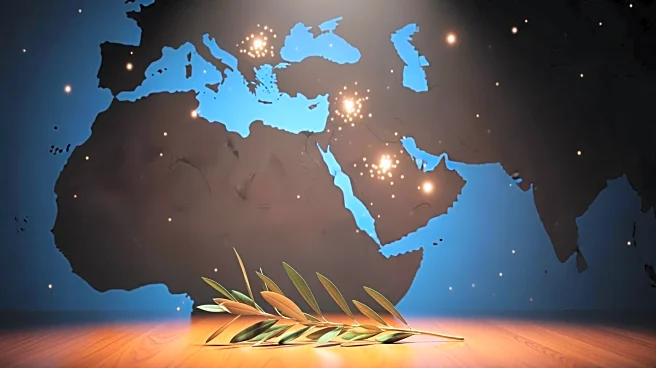
Iran's President Masoud Pezeshkian issued an apology for attacks on neighboring countries, even as Iranian missiles and drones targeted Gulf Arab states. This statement highlights the Iranian leadership's limited control over its military forces, particularly
the Revolutionary Guard, which operates independently. The apology comes amid heightened tensions with the U.S., following President Trump's demands for Iran's unconditional surrender. The conflict has resulted in significant casualties and disruptions across the region, affecting global markets and air travel.
Why It's Important?
The apology from Iran's president underscores the complex dynamics within Iran's political and military structures, revealing potential fractures in command. This situation poses a risk of further escalation, as the Revolutionary Guard continues its operations independently. The ongoing conflict threatens regional stability and could have far-reaching economic implications, particularly for global oil markets. The U.S.'s firm stance and military actions may lead to increased international involvement, potentially drawing in other global powers.
What's Next?
The conflict is likely to continue, with potential for further military engagements and diplomatic efforts to de-escalate tensions. Iran's internal political dynamics may shift as the leadership seeks to consolidate control over its military forces. The international community, including the U.S. and its allies, may increase diplomatic pressure on Iran to prevent further escalation. Regional powers are expected to enhance their defenses and seek international support to address the security challenges posed by the conflict.