






What's Happening?
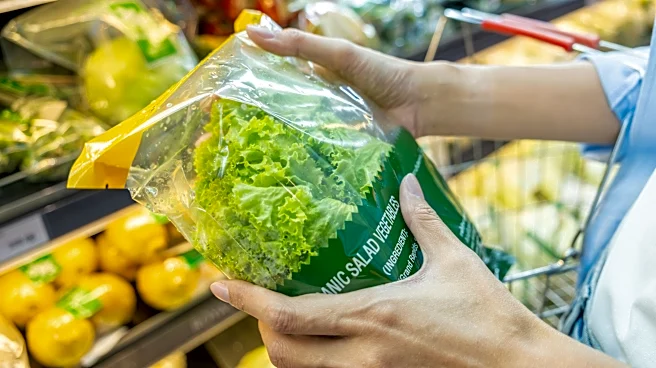
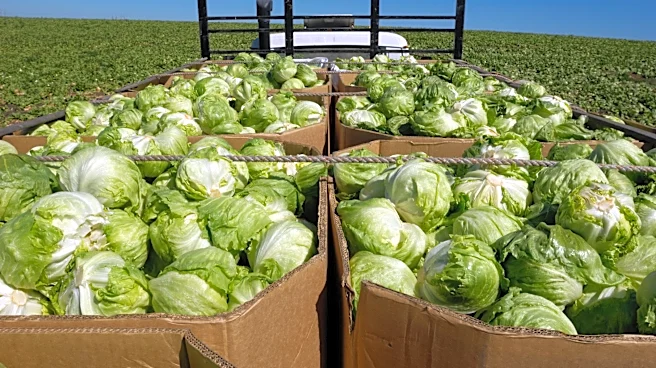
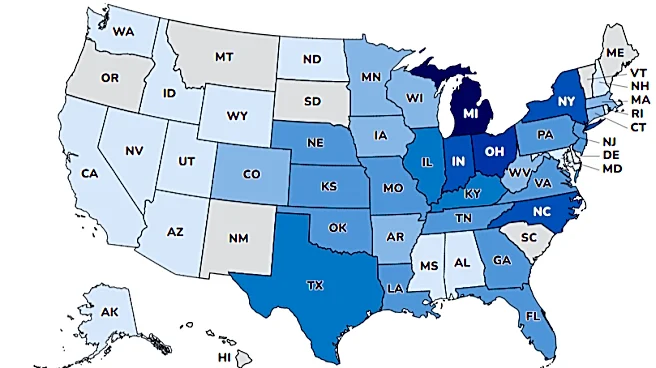
A cyclospora outbreak linked to shredded iceberg lettuce from central Mexico has expanded to include Illinois and three other states. Cyclospora is a microscopic parasite that causes cyclosporiasis, a gastrointestinal illness characterized by severe diarrhea.
The outbreak has raised concerns about the safety of imported produce and the effectiveness of current food safety measures in preventing such incidents.
Why It's Important?
The expansion of the cyclospora outbreak highlights the vulnerabilities in the food supply chain, particularly concerning imported produce. It underscores the need for stringent safety checks and monitoring to prevent contaminated food from reaching consumers. The outbreak also poses a public health risk, as cyclosporiasis can lead to significant health issues, especially in individuals with weakened immune systems. This situation may prompt a reevaluation of import regulations and food safety protocols to better protect consumers.
What's Next?
Authorities may increase inspections and testing of imported produce to prevent further spread of the outbreak. There could be calls for enhanced collaboration between the U.S. and exporting countries to ensure compliance with safety standards. Public health agencies might also intensify efforts to educate consumers about the risks associated with contaminated produce and the importance of proper food handling practices.