






What's Happening?
The BBC has announced plans to cut up to 2,000 jobs over the next two years in an effort to reduce costs by approximately 10%, equating to savings of 500 million pounds ($677 million). This decision, revealed during a staff call, marks the largest layoff
at the U.K. national broadcaster in over a decade. Interim Director-General Rhodri Talfan Davies communicated to staff that the cuts are driven by inflation, pressures on license fee and commercial income, and a turbulent global economy. The BBC had previously indicated it faced significant financial pressures and aimed to cut about a tenth of its budget by 2029, with the majority of reductions occurring in the fiscal year starting April 1, 2027. The announcement comes as Matt Brittin, a former Google executive, is set to assume the role of director-general next month, following the resignation of Tim Davie and head of news Deborah Turness.
Why It's Important?
The job cuts at the BBC highlight the financial challenges faced by traditional media organizations in the digital age. The broadcaster, funded by an annual license fee, is under pressure as digital streaming services alter how audiences consume content. The decision to cut jobs reflects broader economic pressures, including inflation and reduced commercial income, which are affecting media companies globally. The BBC's financial strategy and its impact on content and services will be closely watched, as it remains a significant cultural institution in the U.K. and internationally. The move also raises questions about the future funding model for the BBC, as the current license fee system faces criticism and potential reform.
What's Next?
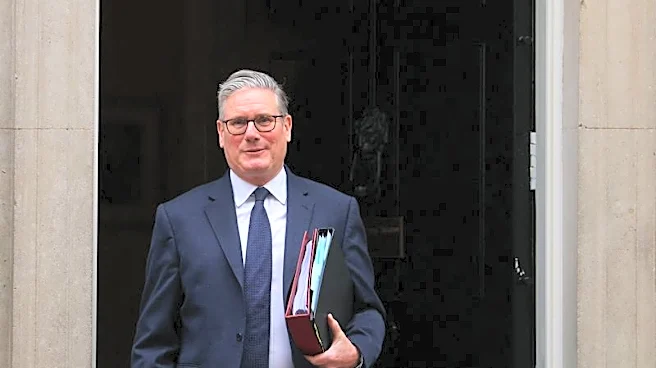
As the BBC implements these job cuts, the organization will need to navigate the transition to a new director-general and address the challenges of maintaining its service quality amid reduced resources. The incoming director-general, Matt Brittin, will play a crucial role in steering the BBC through this period of change. Additionally, the U.K. government, particularly the center-left Labour government, may explore alternative funding models to ensure the BBC's sustainability. The outcome of these discussions could significantly impact the broadcaster's operations and its role in the media landscape.