







What's Happening?
A new study from Ann & Robert H. Lurie Children's Hospital of Chicago, published in JAMA Pediatrics, indicates that the majority of eligible U.S. adolescents are not receiving advanced obesity treatments, despite the availability of new medications and
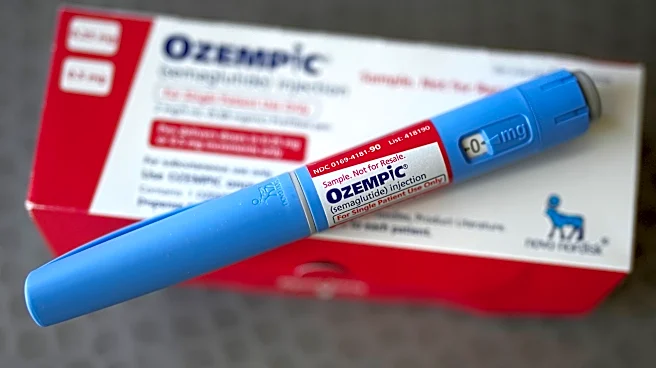
evidence supporting weight-loss surgery. Researchers analyzed electronic health records of over 1.4 million U.S. adolescents who met the criteria for metabolic and bariatric surgery between 2017 and 2025. The study found a significant increase in the use of GLP-1 medications, such as semaglutide and liraglutide, during this period. Prescribing rates for GLP-1s surged from 301 prescriptions per 100,000 eligible adolescents in early 2017 to 10,676 per 100,000 by the end of 2025, a 35-fold increase. Conversely, bariatric surgery rates, which had steadily increased until 2022, saw a 29% decline by the end of 2025, coinciding with the FDA approval of semaglutide for adolescent obesity. Despite these developments, less than 1% of eligible adolescents underwent surgery, and only 4.6% received at least one GLP-1 prescription. By late 2025, over 1.29 million eligible adolescents, representing 90.4% of the study population, had received neither treatment.
Why It's Important?
This study highlights a critical gap in healthcare access for U.S. adolescents struggling with obesity, a condition with rising rates and significant long-term health implications. The findings suggest that despite the development of safe and effective treatments, a vast majority of eligible teens are not accessing them. This lack of access can lead to continued health complications associated with obesity, impacting their quality of life and increasing future healthcare burdens. The identified disparities in access to GLP-1 medications, with privately insured adolescents receiving prescriptions at 2.4 times the rate of uninsured or self-pay patients, raise concerns about widening inequities in care. While bariatric surgery rates were similar across insurance groups, the overall low utilization of both treatments indicates systemic barriers. Addressing these disparities and improving access to evidence-based treatments is crucial for public health, as untreated adolescent obesity can lead to chronic diseases, reduced life expectancy, and significant societal costs.
What's Next?
Further research is needed to understand the underlying reasons for the lack of access to these advanced obesity treatments for adolescents. This includes investigating barriers such as insurance coverage limitations, physician awareness, patient and parental hesitancy, and geographical availability of specialized care. Policymakers and healthcare providers will need to explore strategies to improve access, potentially through expanded insurance mandates, educational campaigns for families and healthcare professionals, and increased funding for obesity treatment programs. The study's senior author, Justin Ryder, PhD, emphasized the need to understand how GLP-1s might change the landscape of obesity care, including their potential complementary role with metabolic and bariatric surgery. Efforts will likely focus on ensuring that patients receive the care they need, potentially leading to policy changes aimed at reducing disparities and increasing the uptake of effective treatments for adolescent obesity.
Beyond the Headlines
The study's findings point to deeper societal and ethical considerations regarding healthcare access and equity in the U.S. The disparity in GLP-1 prescription rates based on insurance status underscores the ongoing challenge of achieving equitable healthcare outcomes, particularly for vulnerable populations. This situation could exacerbate existing health inequalities, as adolescents from lower socioeconomic backgrounds may be disproportionately affected by untreated obesity and its associated health problems. Furthermore, the decline in bariatric surgery rates following the approval of GLP-1s suggests a potential shift in treatment paradigms, which warrants careful monitoring to ensure that patients are receiving the most appropriate and effective care. The long-term implications of this trend on adolescent health and the healthcare system will need to be thoroughly evaluated, considering both the benefits and potential drawbacks of relying more heavily on pharmaceutical interventions versus surgical options.