





What's Happening?
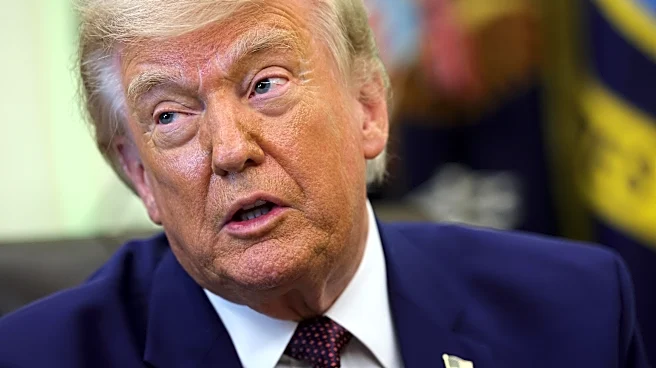
President Donald Trump has proposed new tariffs on imports from 60 countries accused of failing to curb forced labour practices. The tariffs, ranging from 10% to 12.5%, are part of a Section 301 investigation aimed at restoring emergency tariffs previously
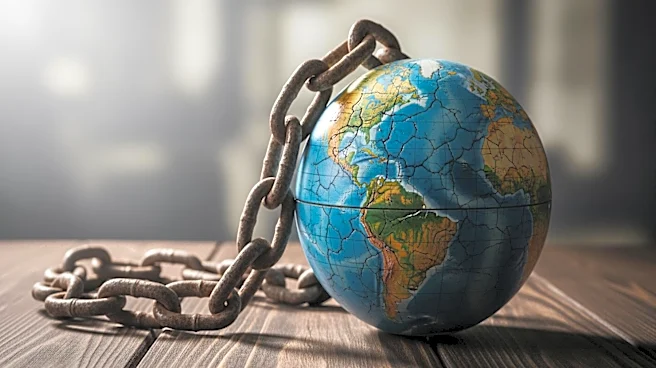
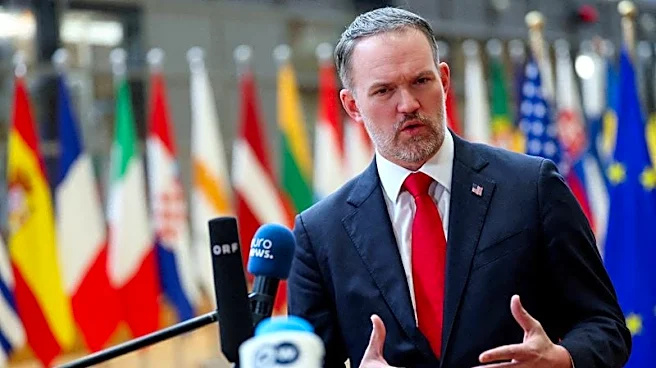
struck down by the U.S. Supreme Court. Critics, including human rights groups and trade experts, argue that these tariffs will do little to address the issue of modern slavery and may even exacerbate the problem. The International Labour Organization estimates that 27.6 million people are currently in forced labour, with nearly half in export-related sectors. The European Union, a major U.S. trading partner, has rejected the tariffs, citing its own Forced Labour Regulation set to apply in December 2027, which requires a higher standard of proof for violations than U.S. rules.
Why It's Important?
The proposed tariffs by President Trump have sparked debate over their effectiveness in combating forced labour. Critics argue that the tariffs are more about trade volumes and geopolitical considerations than addressing the severity of exploitation. The tariffs could potentially create political resistance in affected countries, undermining efforts to fight forced labour. The European Union's approach, which covers products made with forced labour worldwide, is seen as more comprehensive. The U.S. is among the top 10 countries with the largest number of people living in modern slavery, highlighting the need for effective measures. The tariffs could disrupt global supply chains and increase costs for businesses, impacting U.S. commercial interests.
What's Next?
The implementation of these tariffs may lead to increased tensions between the U.S. and its trading partners, particularly the European Union. Businesses affected by the tariffs will need to navigate the complexities of Trump's trade policies, which have already caused disruptions in supply chains. The EU's Forced Labour Regulation, set to apply in December 2027, may offer a more structured approach to addressing forced labour, potentially influencing global standards. Stakeholders, including human rights organizations and trade experts, will likely continue to advocate for more effective measures to combat modern slavery.
Beyond the Headlines
The tariffs proposed by President Trump highlight the challenges of using trade policy as a tool to address human rights issues. While tariffs can be a powerful economic lever, their effectiveness in promoting ethical labour practices is questionable. The focus on trade volumes rather than the severity of exploitation may lead to unintended consequences, such as increased political resistance and further entrenchment of forced labour practices. The debate underscores the need for comprehensive international cooperation and robust legal frameworks to effectively combat modern slavery.