



What's Happening?
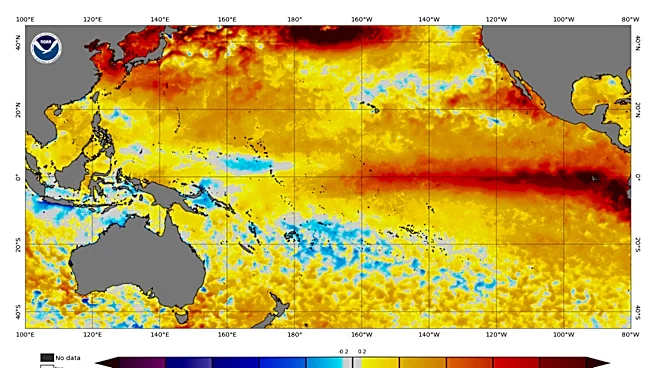
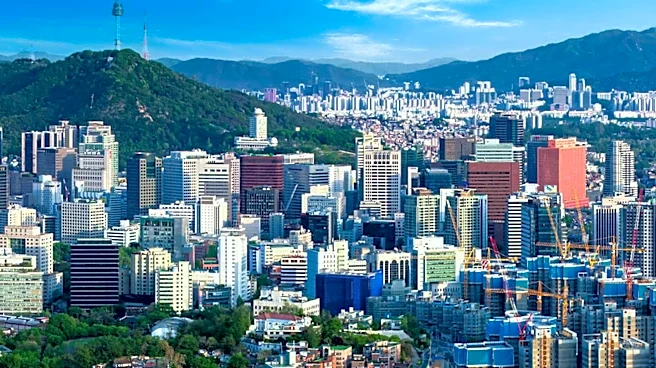
Forecasters are warning that the ongoing El Niño is likely to become supercharged, potentially injecting unprecedented heat into the already warming global climate. Jong-Seong Kug, a professor at Seoul National University, has used observational data
and artificial intelligence to model El Niño events, finding that super El Niño conditions can drive sudden and potentially irreversible climate regime shifts. This year's El Niño is developing in an exceptionally warm climate, which could increase the risk of extreme weather events globally. The phenomenon is characterized by warmer ocean temperatures in the central and eastern tropical Pacific, which can lead to more global heat extremes and shifts in weather patterns.
Why It's Important?
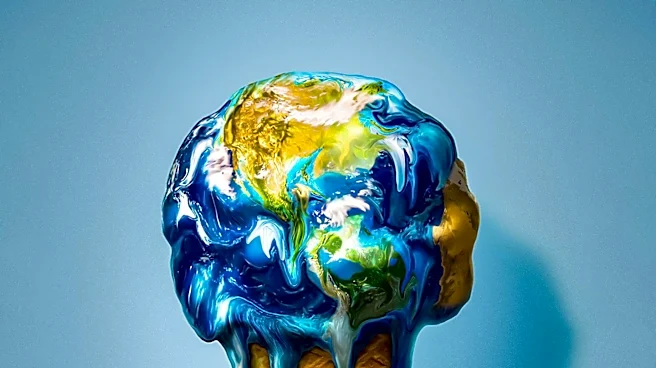
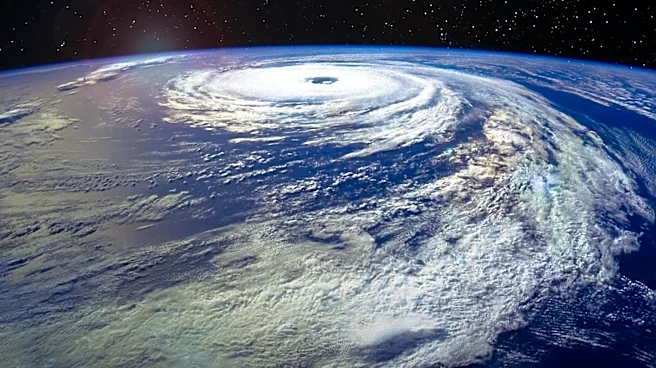
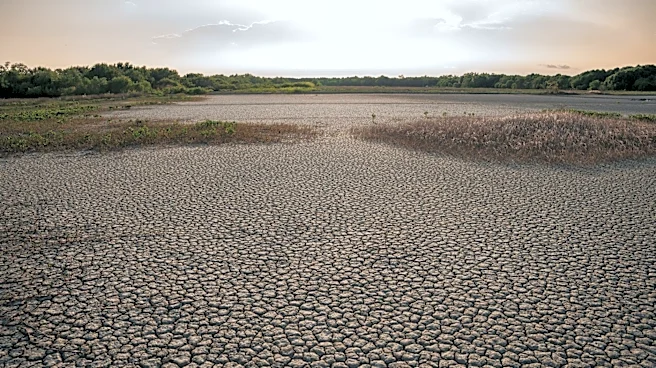
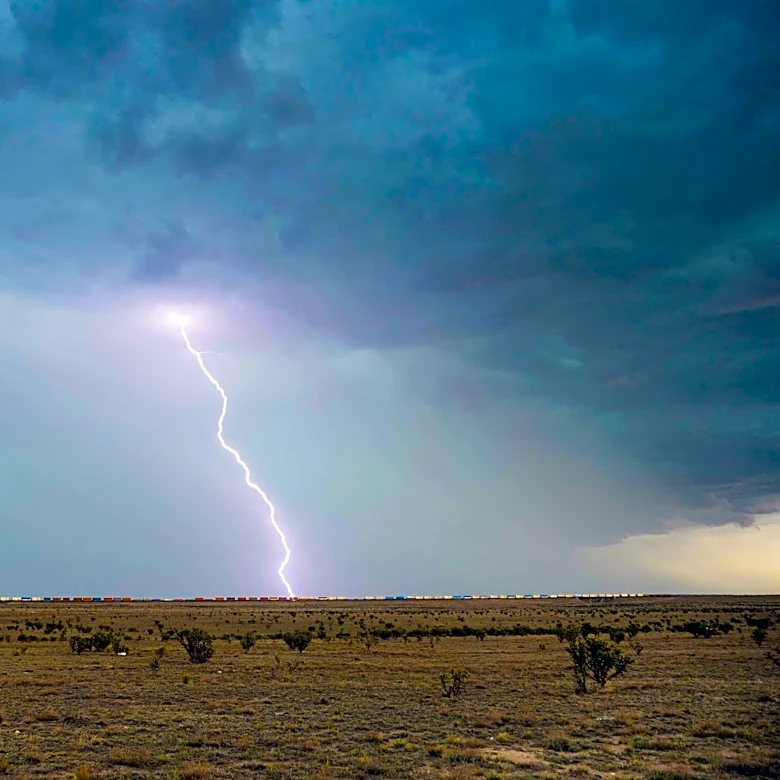
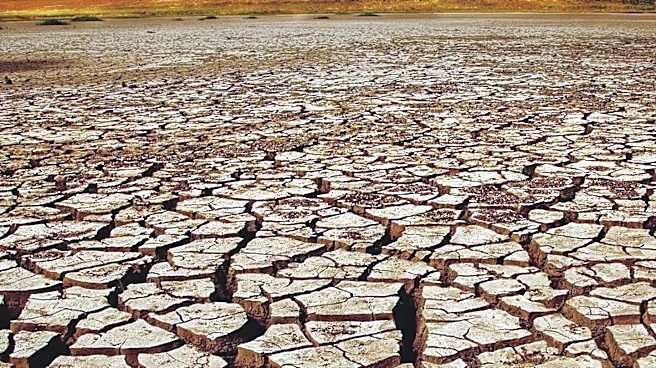
The intensifying El Niño could have significant impacts on global weather patterns, potentially exacerbating extreme weather events such as droughts, floods, and heatwaves. In the United States, it may lead to milder winters in the northern regions and wetter conditions in the southern areas. The event is also expected to worsen food insecurity, potentially pushing millions into acute hunger. The ongoing El Niño is developing in an already warm climate, which could lead to dramatic and potentially irreversible shifts in climate regimes, affecting ecosystems and human societies worldwide.
What's Next?
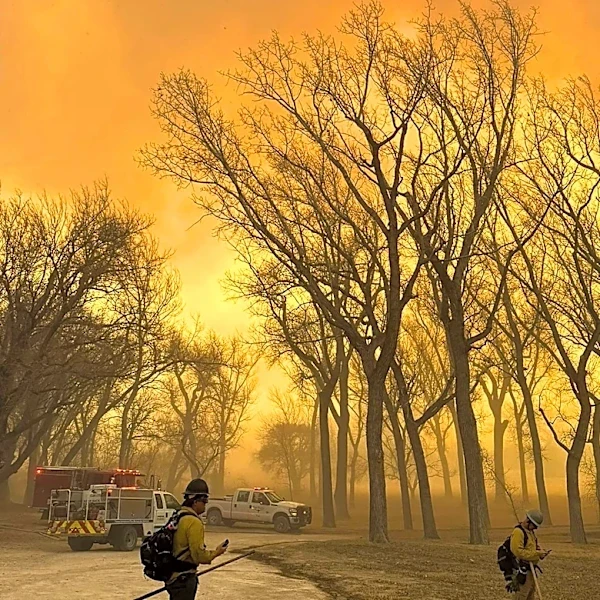
As El Niño intensifies, governments and communities need to prepare for the increased risk of extreme weather events. This includes strengthening heat health plans, water and food management, and flood and wildfire preparedness. In the long term, reducing greenhouse gas emissions remains essential to mitigate the impacts of climate change. The potential for climate engineering, such as stratospheric aerosol injection, is being discussed as a last resort to manage global temperatures, though it comes with significant risks and uncertainties.