
What's Happening?
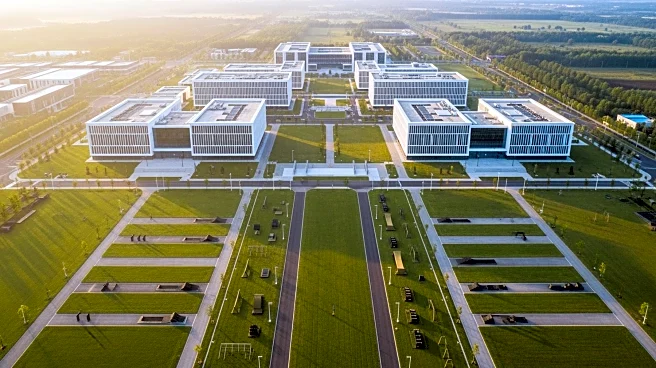
The Veterans Training Empowerment Center (VTEC) has established the VTEC National Military Training & Hiring Campus at Fort Gillem in Forest Park, Georgia. This initiative aims to address the workforce
gap by training and connecting transitioning service members, veterans, National Guard and Reserve members, and military spouses with employers across various industries. The centralized hub consolidates training, credentialing, and hiring into a single system, which is expected to train and place over 10,000 military-connected individuals over five years. The campus supports over 700 jobs on-campus and through partner affiliations, providing companies with a reliable source of pre-trained, job-ready talent. VTEC's model allows employers to access candidates who have completed standardized, industry-aligned training programs, reducing the inefficiencies of fragmented veteran hiring pipelines.
Why It's Important?
This development is significant as it addresses the challenge companies face in finding skilled, dependable workers while simultaneously supporting the transition of over 200,000 service members leaving the military each year. By providing a centralized training and hiring hub, VTEC enhances workforce readiness and ensures that military-connected individuals are prepared for high-demand careers. This initiative not only benefits employers by supplying them with a steady stream of qualified candidates but also supports military families by including spouses in the training programs. The program's success could lead to a more stable and reliable talent pipeline, benefiting both the economy and the military community.
What's Next?
The 100forHeroes campaign is actively raising $100 million to transform Fort Gillem Army Base into the first national Hero Campus. This transformation aims to further prepare service members for high-demand careers and expand the reach of VTEC's training programs. As the campus develops, it is expected that more employers will engage with the program, potentially leading to increased job placements and a broader impact on workforce development. The success of this model could inspire similar initiatives across the country, further integrating military talent into the civilian workforce.