






What's Happening?
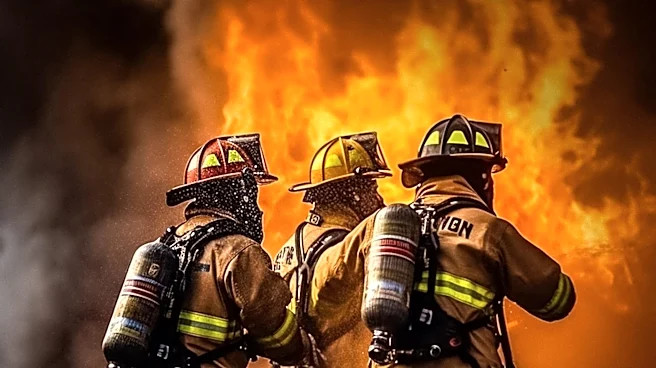
A three-alarm fire erupted on Friday afternoon in the 700 block of North 10th Street in Reading, Pennsylvania, leading to the displacement of 32 residents, including four children. The Reading Fire Department reported that the blaze caused significant
damage, rendering several properties unsafe. Firefighters were dispatched at 4:55 p.m. on October 30, with a second alarm issued at 5 p.m. and a third at 5:10 p.m. to bring in additional personnel. All on-duty Reading firefighters responded, supported by nearly a dozen fire departments from across Berks County. During the incident, crews rescued an adult from the third floor of 710 North 10th Street using a ground ladder. Another adult was transported to Reading Hospital for treatment due to smoke inhalation. No firefighters sustained injuries. Properties from 704 through 714 North 10th Street were posted as unsafe, affecting 28 adults and four children. The American Red Cross is providing assistance to those displaced, and the cause of the fire remains under investigation.
Why It's Important?
This incident highlights the critical role of rapid emergency response and inter-agency cooperation in mitigating the impact of large-scale urban fires. The displacement of 32 individuals underscores the immediate and severe consequences such blazes have on community stability and housing security. For the affected residents, the loss of their homes and belongings represents a significant personal and financial hardship, requiring extensive support for shelter, basic necessities, and long-term recovery. The involvement of the American Red Cross is crucial in providing immediate relief and coordinating assistance, demonstrating the importance of non-profit organizations in disaster response. Furthermore, the damage to multiple properties in a concentrated area can lead to broader community impacts, including potential property value depreciation in the immediate vicinity and increased demand for local social services. The ongoing investigation into the fire's cause is vital for identifying potential safety hazards or systemic issues that could prevent future occurrences, thereby protecting other communities.
What's Next?
The immediate focus will be on supporting the 32 displaced residents, with the American Red Cross continuing to provide shelter and essential services. This assistance will likely include temporary housing, food, and emotional support as families begin to assess their losses and plan for their future. The Reading Fire Department's investigation into the cause of the fire is ongoing, and its findings will be crucial for understanding how the blaze started and spread. Depending on the cause, there could be implications for fire safety regulations, building codes, or public awareness campaigns in Reading and potentially other urban areas. Property owners of the damaged homes will face the complex process of insurance claims, structural assessments, and potential rebuilding or repairs. The community may also see efforts to raise funds or collect donations to further aid the affected families in their recovery.
Beyond the Headlines
Beyond the immediate devastation, this fire raises broader questions about urban infrastructure resilience and community preparedness for large-scale emergencies. The rapid spread of the fire across multiple homes suggests potential vulnerabilities in building construction, proximity, or fire suppression systems within older urban neighborhoods. This event could prompt a review of local fire safety protocols and building inspection practices to identify areas for improvement. The displacement of a significant number of residents also highlights the ongoing challenge of housing insecurity, particularly for families with children, and the strain such events place on local social support networks. The long-term psychological and economic impacts on the displaced families, including potential trauma and financial instability, will require sustained community and governmental support. This incident serves as a stark reminder of the constant need for robust emergency services and proactive urban planning to protect lives and property.