





What's Happening?
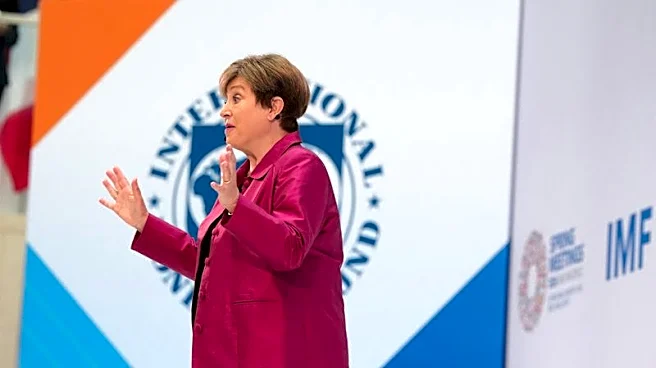
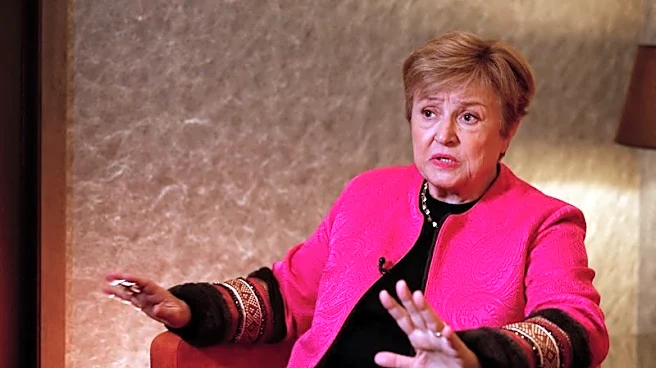
Kristalina Georgieva, the chief of the International Monetary Fund (IMF), has announced that the global lender expects a significant increase in demand for financial support, ranging from $20 billion to $50 billion, due to the ongoing conflict in the Middle
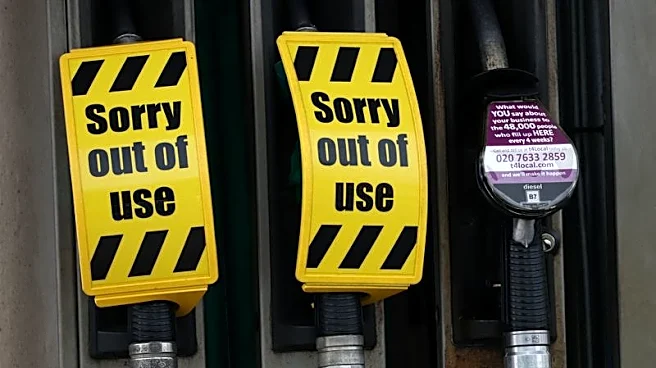
East. The war has led to a substantial cut in the daily flow of oil and liquefied natural gas, causing a supply shock and soaring energy prices. The IMF has downgraded its global growth forecast as a result of these disruptions. The conflict has also led to food insecurity, with an additional 45 million people facing hunger, bringing the total number to over 360 million. The IMF is preparing to release scenarios in its World Economic Outlook, addressing the potential long-term impacts of the conflict on global growth and supply chains.
Why It's Important?
The anticipated increase in demand for IMF financial support highlights the severe economic impact of the Middle East conflict on global markets. The disruption in oil and gas supplies has triggered a supply shock, leading to higher energy prices and affecting transportation, tourism, and trade. The conflict's impact on food security is significant, with millions more facing hunger due to supply chain disruptions. The IMF's downgraded growth forecast underscores the potential long-term economic consequences of the conflict, affecting global growth and stability. The situation calls for coordinated international efforts to address the economic challenges and support affected countries.
What's Next?
The IMF is expected to provide financial support to countries affected by the conflict, with additional requests for aid anticipated. The upcoming meetings of the IMF and World Bank will focus on strategies to weather the economic shock and support member countries in need. The ceasefire between the US and Iran remains fragile, and its potential breakdown could further exacerbate the economic impact. The IMF will continue to monitor the situation and may adjust its support strategies based on the evolving geopolitical landscape.