




What's Happening?
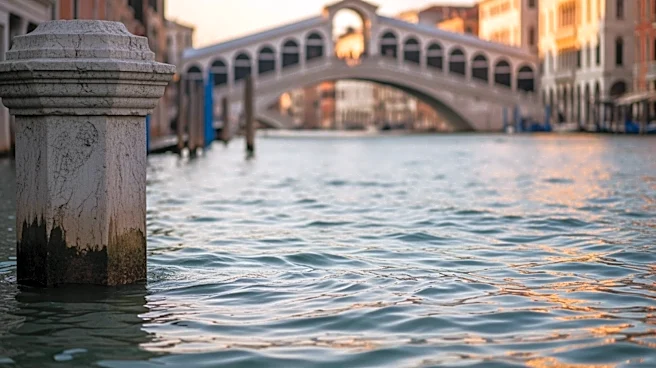
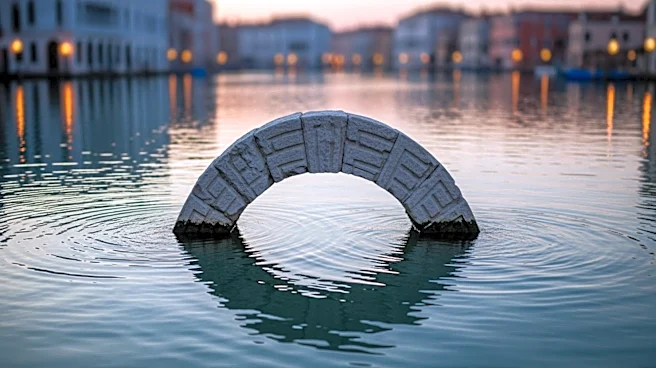
Venice is facing challenges with its current flood defense system, known as Mose, which has been operational since 2020. The system, consisting of massive flood barriers, has successfully protected the city from flooding 154 times. However, rising sea
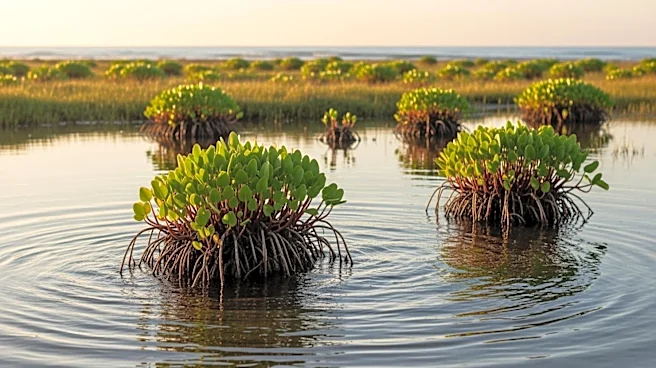
levels due to climate change are forcing the city to consider alternative solutions. The frequent use of the barriers is damaging the lagoon's ecosystem, prompting city authorities to explore a 'Plan B'. The Lagoon Authority, responsible for managing Mose, is now tasked with finding a successor to the current system. The situation is urgent as projections indicate a significant rise in sea levels by the end of the century, which could render the current system ineffective.
Why It's Important?
The situation in Venice highlights the broader implications of climate change on urban infrastructure and ecosystems. The need for a new flood defense strategy underscores the challenges cities face in adapting to environmental changes. The frequent activation of the Mose system not only incurs high operational costs but also disrupts maritime traffic, affecting the local economy. The ecological impact on the lagoon could lead to long-term environmental degradation, affecting biodiversity and the natural balance. This scenario serves as a critical case study for other coastal cities worldwide, emphasizing the need for sustainable and adaptive infrastructure solutions.
What's Next?
Venice authorities are considering raising the activation level of the Mose barriers and experimenting with staggered barrier operations to mitigate ecological damage. The Lagoon Authority plans to issue a global call for innovative ideas to develop a new flood defense system. This initiative will involve experts from various fields, aiming to create a comprehensive and sustainable solution. The outcome of this effort could influence future urban planning and climate adaptation strategies globally. Additionally, there is a push to diversify Venice's economy away from tourism to ensure long-term resilience against environmental and economic challenges.