


What's Happening?
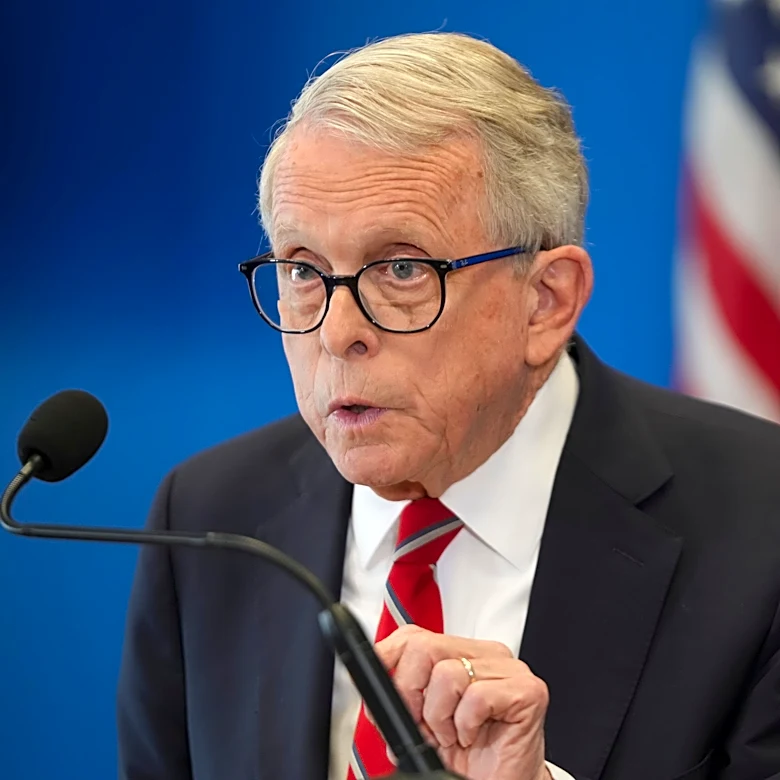
Representative Tom Cole, the Republican chair of the House Appropriations Committee, has indicated a willingness to consider raising taxes to address the impending financial challenges facing Social Security. According to an interview with the Washington
Post, Cole stated, “I’m willing to look at the tax rate. I am willing to raise the amount of income through tax.” This position marks a departure from the traditional Republican stance against tax increases. The Social Security trust fund is projected to be depleted by the fourth quarter of 2032, which could lead to a 22% reduction in benefits for millions of retirees and disabled Americans. Cole's comments suggest a growing recognition among some Republicans that tax adjustments may be necessary to ensure the program's long-term viability, despite potential political repercussions. Other Republicans, such as Representative Lloyd Smucker of Pennsylvania, have also suggested adjustments to the payroll tax system.
Why It's Important?
The potential shift in Republican sentiment regarding tax increases for Social Security is significant because it could pave the way for bipartisan solutions to a critical national issue. Social Security provides monthly benefits to nearly 70 million Americans, and its solvency directly impacts the financial security of a large segment of the U.S. population, particularly retirees and individuals with disabilities. Historically, discussions around Social Security reform have been politically contentious, with Republicans generally opposing tax increases and Democrats often advocating for them. Cole's openness to tax adjustments, even if it means facing criticism, highlights the urgency of the situation and the potential for a more pragmatic approach to fiscal policy. A failure to address the shortfall could lead to widespread economic hardship for beneficiaries and undermine public trust in government programs. The debate also touches upon the broader issue of intergenerational equity and the responsibility of current taxpayers to ensure the stability of future benefits.
What's Next?
The willingness of influential Republicans like Representative Tom Cole to consider tax increases for Social Security could initiate more serious bipartisan discussions on how to shore up the program's finances. While no specific legislation has been introduced by Cole, his remarks, alongside proposals from senators like Elizabeth Warren and Bernie Moreno to raise the payroll tax cap, suggest that various tax-related solutions are on the table. The next steps will likely involve detailed legislative proposals and negotiations between both parties. However, significant opposition remains within the Republican Party, with figures like Grover Norquist warning of political backlash for any tax increases. The outcome will depend on the ability of lawmakers to find common ground and overcome ideological divides to prevent benefit cuts for millions of Americans. The upcoming presidential election cycle may also influence the timeline and nature of any proposed reforms, as candidates will likely articulate their stances on Social Security's future.
Beyond the Headlines
The discussion around raising taxes for Social Security delves into fundamental questions about fiscal responsibility, social welfare, and political courage. The long-standing opposition to tax increases within the Republican Party has often been a defining characteristic, making Cole's comments particularly noteworthy. This potential shift could signal a broader re-evaluation of conservative economic principles in the face of pressing national needs. Furthermore, the debate highlights the ethical dilemma of balancing the financial burden on current workers with the promise of benefits for retirees. The Social Security system, designed as a social safety net, relies on a delicate balance of contributions and payouts. Any changes to this balance have profound implications for economic fairness and the social contract between generations. The political risk associated with advocating for tax increases underscores the challenge of implementing unpopular but potentially necessary policies for long-term national stability.