

What's Happening?
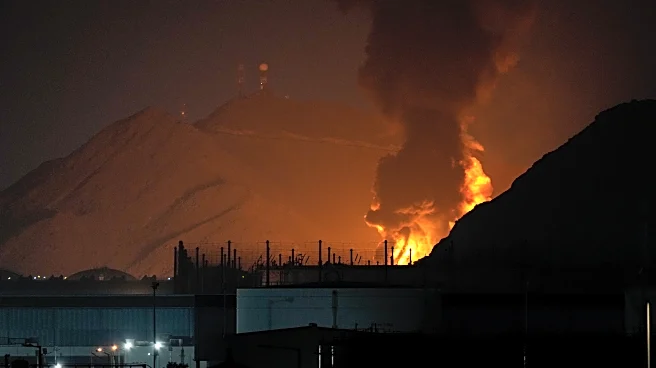
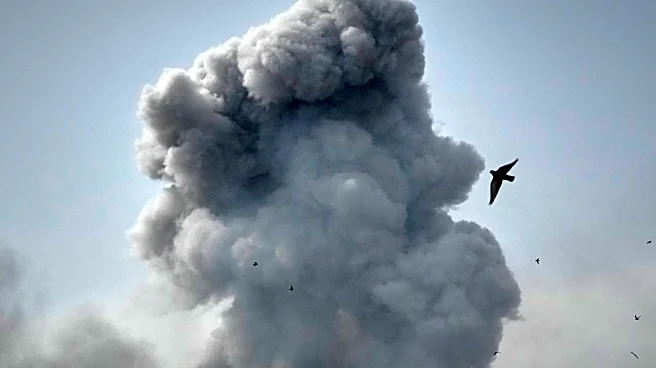
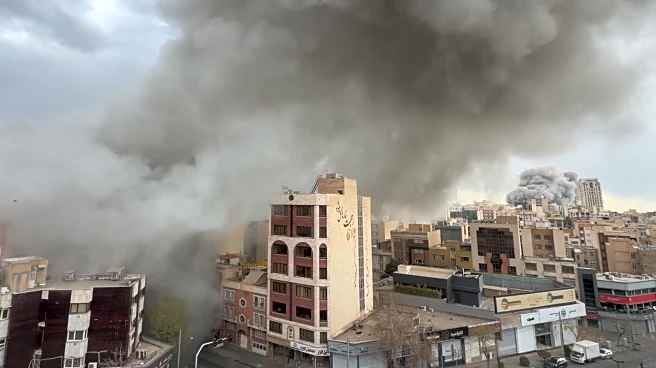
Iran has launched retaliatory strikes targeting the U.S. consulate in Dubai and an air base in Qatar. These actions come in response to a joint military operation conducted by the United States and Israel. The strikes represent an escalation in tensions
between Iran and the U.S., following a series of military engagements in the region. The Iranian government has been vocal about its opposition to U.S. military presence and actions in the Middle East, and these strikes are seen as a direct response to perceived aggression. The situation has heightened concerns about regional stability and the potential for further military confrontations.
Why It's Important?
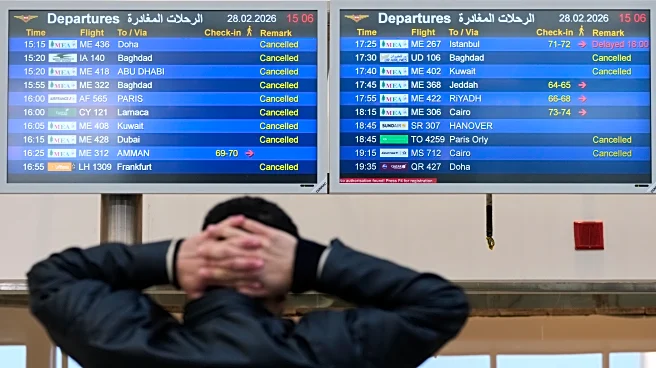
The strikes by Iran on U.S. facilities in the Middle East underscore the fragile nature of geopolitical relations in the region. This development could have significant implications for U.S. foreign policy and military strategy, as it may necessitate a reassessment of security measures and diplomatic approaches in the Gulf region. The attacks also pose a risk to international diplomatic efforts aimed at de-escalating tensions and could impact global oil markets, given the strategic importance of the Gulf region. Additionally, these actions may influence U.S. domestic politics, as policymakers debate the appropriate response to Iranian aggression.
What's Next?
In the wake of these strikes, the U.S. is likely to consider a range of responses, including diplomatic measures, increased military presence, or further sanctions against Iran. The international community may also become more involved in mediating the conflict to prevent further escalation. Key stakeholders, including regional allies and international organizations, will be closely monitoring the situation to assess the potential for broader conflict. The U.S. government may also engage in discussions with allies to coordinate a unified response to Iran's actions.