






What's Happening?
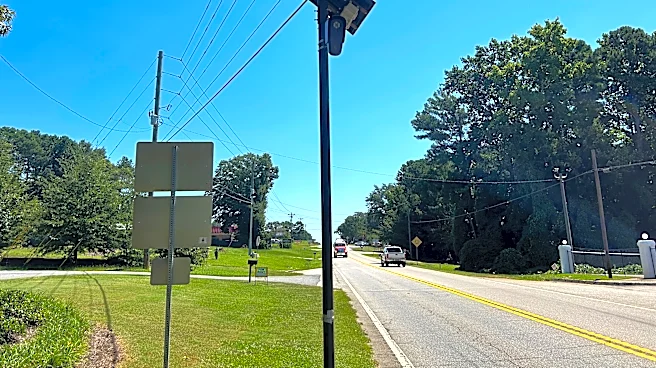
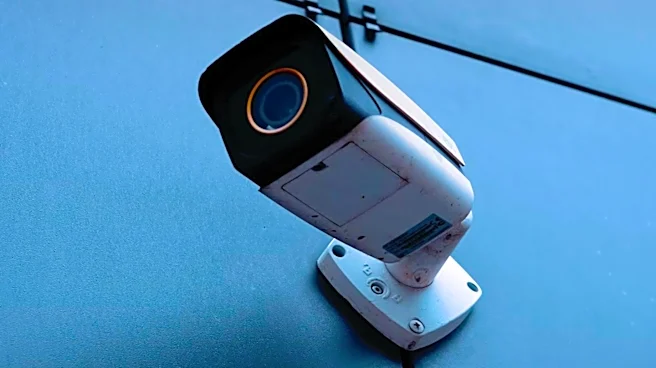
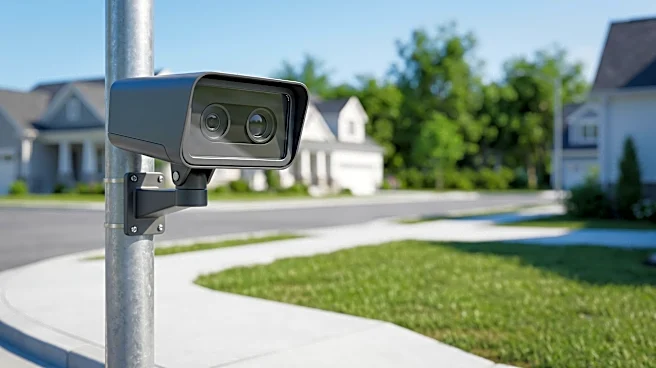
The Dallas City Council is currently evaluating a proposal to eliminate $1.5 million in funding for Flock cameras, a move that could lead to the termination of the city's contract for the license plate reader technology. Councilman Adam Bazaldua introduced
an amendment to this effect, citing concerns about privacy and the potential for agencies outside Dallas to access the city's data without sufficient oversight. This consideration follows a recent order from Governor Greg Abbott for state agencies to cease funding Flock cameras, which has already resulted in 321 of Dallas's 684 cameras being slated for deactivation within two weeks. The Dallas Police Department (DPD) has highlighted the effectiveness of Flock cameras, attributing them to solving 13% of business robbery cases and 12 homicides this year. Residents like Azael Alvarez acknowledge the reported effectiveness but emphasize the need to address privacy concerns.
Why It's Important?
This debate in Dallas reflects a broader national discussion regarding the balance between public safety and individual privacy in the age of advanced surveillance technology. The potential defunding of Flock cameras in Dallas could set a precedent for other municipalities grappling with similar issues. For law enforcement, losing this technology, which the DPD claims is a primary investigative tool, could impact their ability to solve certain crimes, potentially leading to a rise in unsolved cases or a shift in investigative strategies. Conversely, for privacy advocates and residents, the decision to cut funding would be a victory, affirming the importance of data protection and limiting the scope of government surveillance. The outcome will influence how cities across the U.S. approach contracts with technology providers that collect sensitive public data, potentially leading to more stringent oversight and privacy safeguards in future agreements.
What's Next?
The Dallas City Council is expected to signal its position on Councilman Bazaldua's amendment during a budget workshop on Wednesday, ahead of a final budget vote scheduled for two weeks later. The Dallas Police Department is preparing to present data on the benefits of Flock cameras to a City Council committee next week, aiming to demonstrate the technology's value in crime solving. Police officials have stated they will withhold further comment on the potential impact of losing city financial support until the council indicates its direction. If the amendment passes, it would effectively terminate the city's contract with Flock, leading to the deactivation of all 684 cameras. This decision could prompt a search for alternative technologies that offer similar crime-solving capabilities while addressing privacy concerns, or it could lead to a re-evaluation of current policing strategies.
Beyond the Headlines
The discussion surrounding Flock cameras in Dallas extends beyond immediate budgetary and crime-fighting concerns, touching upon fundamental questions about the role of technology in a democratic society. The core tension lies between the desire for enhanced public safety through surveillance and the protection of civil liberties, particularly the right to privacy. The argument that other products exist that can provide similar tools without being part of a 'mass network' suggests a growing demand for more localized and controlled surveillance solutions. This situation could catalyze innovation in the public safety technology sector, pushing developers to create systems with built-in privacy protections and transparent data governance. Furthermore, it highlights the increasing importance of public discourse and citizen input in shaping technology policies, as residents actively voice their concerns and influence municipal decisions on surveillance tools.