
What's Happening?
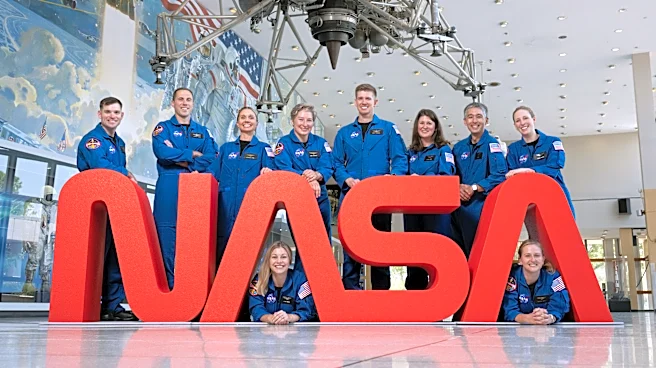
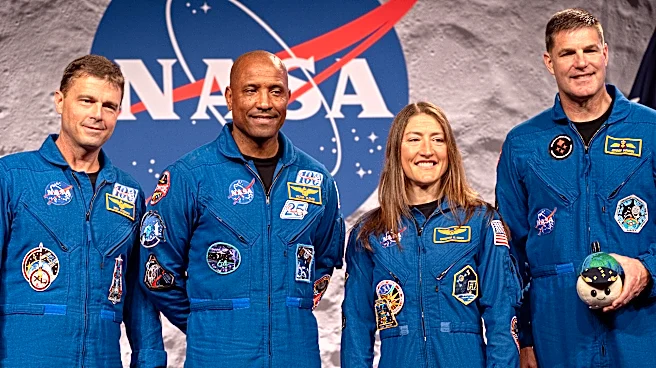
The National Aeronautics and Space Administration (NASA) has launched a public recruitment drive for astronauts to live and work on the Moon, marking its first such initiative since March 2024. This recruitment aims
to support NASA's ambitious plans to return humans to the Moon via the Artemis 4 mission in 2028 and subsequently establish a permanent lunar base. Historically, NASA astronaut selections have been highly competitive, with the previous drive seeing only 10 individuals chosen from approximately 8,000 applicants, an 800-to-1 ratio. To date, NASA has selected 370 astronaut candidates since 1959, with 32 currently active. Successful candidates will undergo approximately two years of intensive training in spacewalks, robotics, and aircraft flight before being assigned to specific missions. Applications for this recruitment close on December 3, and final selections are anticipated by late next year. Candidates must be U.S. citizens, hold a master’s degree in a STEM field, or meet specific criteria for physicians or test flight pilots, and possess at least three years of relevant professional experience.
Why It's Important?
This recruitment drive is crucial for the advancement of the U.S. space program, particularly NASA's Artemis initiative, which seeks to re-establish a human presence on the Moon and lay the groundwork for future crewed missions to Mars. The demand for new personnel underscores the expanding scope and complexity of lunar exploration, requiring a diverse pool of talent with specialized skills. The high competition rate reflects the prestige and challenge associated with becoming an astronaut, attracting top-tier professionals from various STEM fields. By actively seeking individuals with professional degrees in nursing and allowing those with vision-correction surgery to apply, NASA is broadening its talent search, potentially bringing new perspectives and expertise to its missions. The establishment of a permanent lunar base is a significant step towards long-duration space habitation and scientific exploration, positioning the U.S. at the forefront of space innovation.
What's Next?
Following the application deadline on December 3, NASA will proceed with a rigorous selection process, with final announcements expected by late next year. The selected candidates will then embark on an extensive two-year training program, preparing them for the unique challenges of spaceflight and lunar operations. This training will cover critical areas such as spacewalks, robotics, and aircraft flight, ensuring they are fully equipped for future Artemis missions. The successful integration of these new astronauts will be vital for the 2028 Artemis 4 mission, which aims to land humans on the Moon's surface for the first time since 1972. Beyond this, the new recruits will play a pivotal role in the construction and operation of the planned lunar base, contributing to the long-term goal of a sustained human presence on the Moon.
Beyond the Headlines
The ongoing astronaut recruitment and the broader Artemis program signify a profound shift in humanity's approach to space exploration, moving beyond temporary visits to establishing a permanent off-world presence. This endeavor carries significant ethical and legal implications regarding resource utilization, territorial claims, and the governance of celestial bodies. The development of a lunar base will necessitate innovative solutions for self-sufficiency, waste management, and long-term human health in an extraterrestrial environment, pushing the boundaries of scientific and engineering knowledge. Culturally, the return to the Moon and the prospect of lunar habitation could reignite public interest in space, inspiring a new generation of scientists, engineers, and explorers. The emphasis on collaboration and communication skills for astronaut candidates highlights the increasing recognition of human factors in successful long-duration space missions, underscoring the importance of teamwork in extreme environments.