





What's Happening?
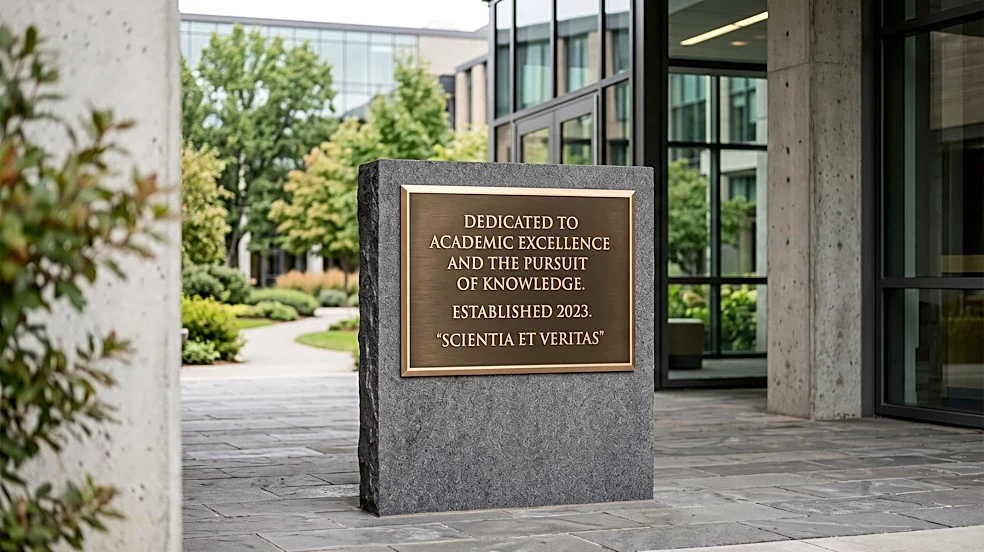
Columbia University has opened a new residence hall, 99 Claremont, specifically designed for its nontraditional students enrolled in the School of General Studies. This initiative aims to ease housing pressures and foster a stronger sense of community
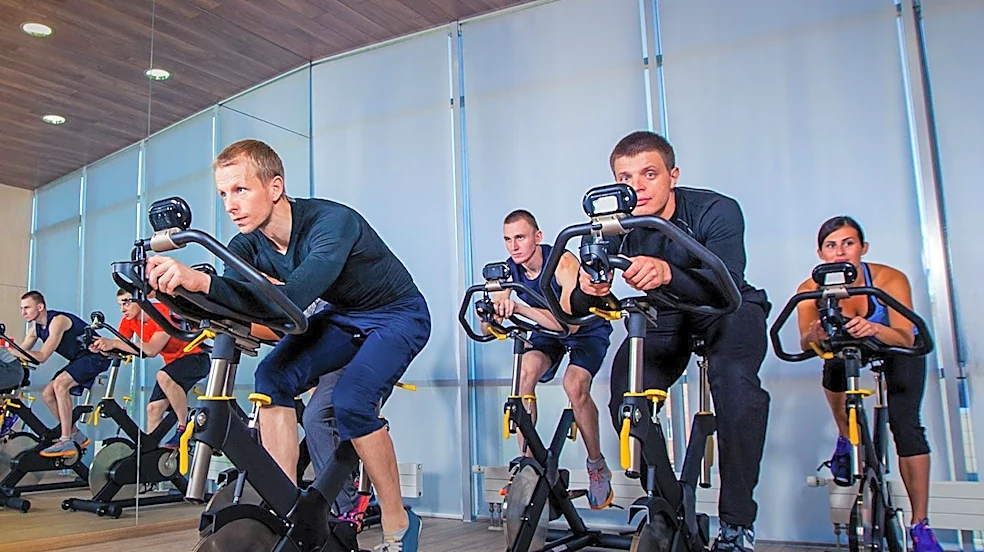
among veterans, transfer students, and returning adults. The building, originally constructed in 1931 for the Union Theological Seminary, underwent a multimillion-dollar renovation to include amenities such as a fitness center, rooftop lounge, communal kitchens, and shared study spaces. The project was supported by university investments and donor commitments, including a significant gift from alumnus Bob Hammer. The new hall can accommodate over 300 students and represents a substantial expansion of housing options for this student population, addressing a long-standing shortage.
Why It's Important?
The opening of 99 Claremont is a significant development for Columbia University's nontraditional student population. It directly addresses the unique needs of students who often have different life experiences and responsibilities compared to traditional undergraduates, such as military service or professional careers. By providing dedicated housing, Columbia aims to enhance their sense of belonging and facilitate their integration into university life, which can be crucial for academic success and overall well-being. This initiative also helps alleviate housing insecurity, a widespread challenge among college students nationwide. The investment underscores a growing recognition within higher education of the importance of supporting diverse student demographics and creating inclusive campus environments.
What's Next?
The immediate next steps involve the full occupancy and integration of 99 Claremont into Columbia University's residential life system. The university will likely monitor the impact of the new residence hall on student satisfaction, academic performance, and community engagement among its nontraditional students. Future plans may include evaluating the success of this model to inform potential expansions or similar initiatives for other student groups. The university will continue to seek donor support for financial aid and ongoing maintenance of the facility. The success of 99 Claremont could also serve as a model for other institutions looking to better support their nontraditional student populations.
Beyond the Headlines
Beyond providing housing, 99 Claremont represents a broader shift in higher education towards recognizing and accommodating the diverse needs of an evolving student body. Nontraditional students, including veterans and adult learners, bring unique perspectives and experiences that enrich the academic environment. By investing in dedicated facilities and support systems, Columbia is not only addressing practical needs but also fostering a more inclusive and equitable educational experience. This move highlights the importance of creating spaces where students from varied backgrounds can connect, share experiences, and build community, ultimately contributing to a more vibrant and diverse campus culture. It also signals a commitment to lifelong learning and supporting individuals who pursue education at different stages of their lives.