

What's Happening?
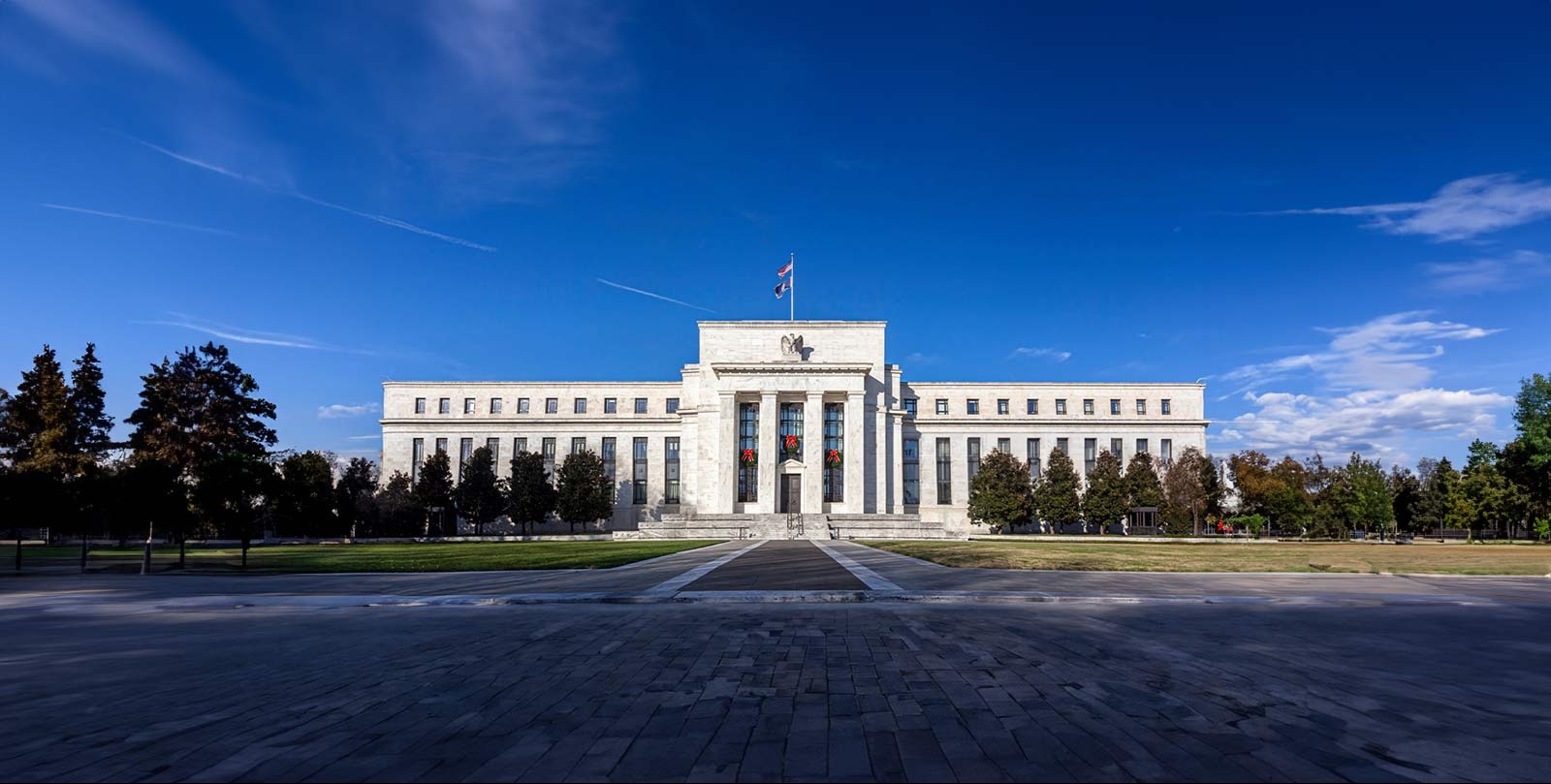
Congressional Republicans are reportedly growing weary of their perceived role as mere ratifiers of President Trump's decisions, particularly in light of his recent actions concerning the Federal Reserve. President Trump has expressed a desire to prosecute
Federal Reserve Chair Jerome H. Powell over cost overruns related to the remodeling of the Federal Reserve's headquarters. This move has been characterized as one of Trump's 'pointless tantrums,' especially since Powell's term is set to end on May 15. The situation has sparked a debate about the independence of the Federal Reserve, with Trump allegedly seeking to fill the board with compliant members. The potential nomination of Kevin Hassett as Powell's replacement could be a tipping point, prompting the Senate to possibly assert its independence by rejecting the nomination.
Why It's Important?
The unfolding situation highlights a potential shift in the dynamics between congressional Republicans and President Trump. If Republicans choose to oppose Trump's influence over the Federal Reserve, it could signal a broader move towards reasserting legislative independence. This development is significant as it touches on the fundamental principles of checks and balances within the U.S. government. The Federal Reserve's independence is crucial for maintaining economic stability, and any perceived political influence could have far-reaching implications for monetary policy and economic governance. The outcome of this situation could affect interest rates, inflation targets, and the overall economic strategy of the United States.
What's Next?
The Senate's response to a potential nomination of Kevin Hassett as Federal Reserve Chair will be closely watched. If the Senate rejects the nomination, it could mark a significant moment of independence from President Trump's influence. Additionally, the broader Republican Party's stance on this issue may influence future legislative priorities and the party's relationship with the executive branch. Stakeholders, including financial markets and international observers, will be monitoring these developments for any signs of shifts in U.S. economic policy.
Beyond the Headlines
This situation underscores the ongoing tension between democratic accountability and the need for independent institutions within the U.S. government. The Federal Reserve's role as a counter-majoritarian institution is designed to protect the currency's value and ensure economic stability, free from direct political influence. The debate over its independence reflects broader questions about the balance of power in American democracy and the role of government in economic management.