










What's Happening?
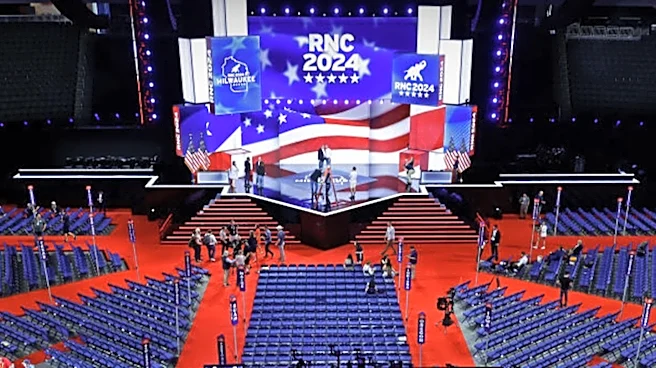
The Republican National Committee (RNC) has filed a lawsuit in Nebraska challenging the state's election rules that allow certain overseas U.S. citizens to vote. The lawsuit argues that Nebraska's law, which permits U.S. citizens who have never lived
in the state to vote using their parents' residency, violates the state constitution. This legal action is part of a broader Republican effort to tighten voting regulations nationwide, particularly before the upcoming midterm elections. The RNC's complaint, supported by President Trump, seeks to establish a legal precedent that could influence similar laws in other states. The lawsuit targets a 2005 law, initially intended to facilitate voting for military personnel and citizens abroad, by arguing that residency cannot be inherited. The RNC is seeking a court order to prevent election officials from issuing ballots to these voters.
Why It's Important?
This lawsuit is significant as it reflects ongoing national debates over voting rights and election integrity. By challenging Nebraska's overseas voting rules, the RNC aims to set a precedent that could impact similar laws in other states, potentially affecting the voting rights of U.S. citizens living abroad. The case underscores the broader Republican strategy to tighten voting regulations, which critics argue could restrict access to the ballot. The outcome of this lawsuit could influence future legal challenges and shape the national discourse on voting rights, particularly concerning the balance between preventing ineligible voting and ensuring access for eligible voters.
What's Next?
The Nebraska Secretary of State has referred the lawsuit to the state's attorney general. If the court finds the law unconstitutional, Nebraska may have to revise its voting regulations. The case could also prompt similar legal challenges in other states, as the RNC has already initiated lawsuits in North Carolina, Michigan, Virginia, Arizona, Colorado, and Nevada. The legal outcomes in these states could vary, potentially leading to a patchwork of voting rules across the country. The broader implications of this legal battle may influence future legislative efforts and judicial decisions regarding voting rights and election administration.