






What's Happening?
In St. Paul, Minnesota, community organizations like The Urban Village and the Karen Organization of Minnesota are implementing low-barrier treatment and culturally-rooted care to address the opioid crisis affecting Karen and Karenni teens. These efforts
have reportedly led to a reduction in opioid addiction rates and overdoses within the community. The Urban Village, founded in 2019, offers programming such as tutoring, social-emotional skill-building, and outdoor activities. The Karen Organization of Minnesota focuses on supporting the social and emotional needs of the state's Karen and Karenni communities. Fairview Roselawn Clinic has also contributed by creating a low-barrier drop-in program for buprenorphine access, partnering with the Karen Organization of Minnesota to provide transportation and case management. These collaborative initiatives aim to counteract the pressures faced by these youth, including social isolation and the challenges of adjusting to a new country, which were exacerbated by events like the ICE immigration enforcement operation 'Metro Surge' and the COVID-19 pandemic.
Why It's Important?
This initiative is important because it highlights a successful, community-led approach to a critical public health issue—opioid addiction—within a specific refugee population in the U.S. The focus on culturally responsive care is crucial for effective intervention, as traditional mental health concepts may be unfamiliar or stigmatized within these communities. The reported decline in opioid addiction among Karen teens, while not yet supported by granular official data, suggests that tailored programs can yield positive results where broader approaches might fail. This model demonstrates the value of integrating cultural understanding into public health strategies, potentially serving as a blueprint for other communities facing similar challenges. It also underscores the vulnerability of refugee youth to issues like substance abuse and the need for dedicated support systems to help them navigate acculturation and trauma.
What's Next?
The continued success of these programs hinges on sustained funding and community partnerships. Organizations like the Karen Organization of Minnesota and The Urban Village are working to maintain their services, but there are concerns that funding cuts could jeopardize the progress made. The destabilizing stress from federal policies, such as immigration enforcement operations, also poses a risk, potentially triggering trauma responses and leading to backslides in recovery. Efforts will likely continue to focus on strengthening collaborations between community organizations, healthcare providers, and local agencies to ensure comprehensive support. Additionally, there is a need for more granular data collection to officially track the impact of these interventions and advocate for further resources. Programs like the Weaving Circle will also continue to foster cultural pride and community connection, which are seen as protective factors against substance abuse.
Beyond the Headlines
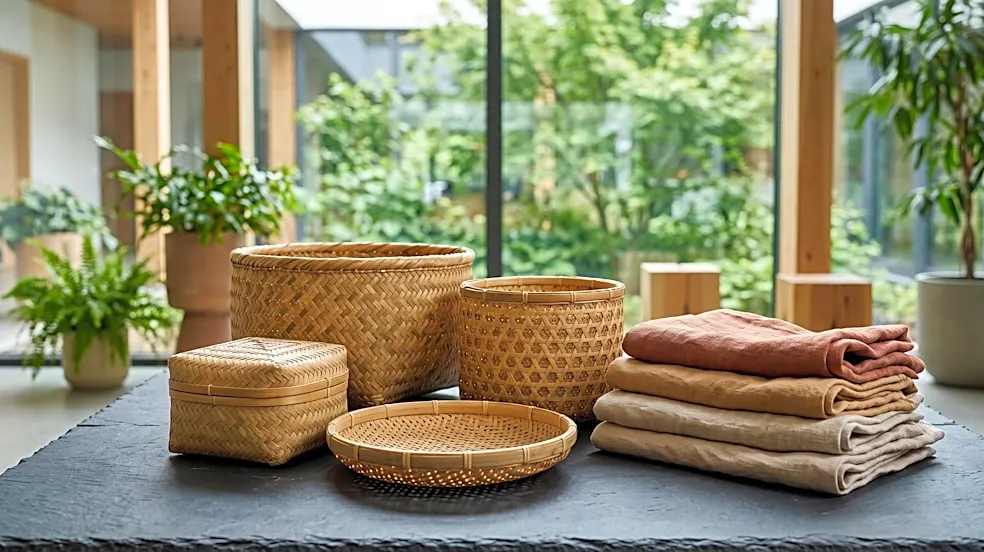
Beyond the immediate impact on opioid addiction, these programs address deeper issues of cultural identity, community resilience, and the integration of refugee populations into American society. The emphasis on cultural practices, such as the Weaving Circle, helps young Karen individuals connect with their heritage, fostering a sense of belonging and self-worth that can act as a buffer against negative influences. This approach acknowledges the complex bicultural identity many refugee youth navigate and provides a framework for building self-protective pride. The collaboration between law enforcement and community organizations, where teens in contact with police are referred to mentorship programs, also signifies a shift towards restorative justice and community-based solutions. This holistic strategy recognizes that addiction is often a symptom of broader social and emotional challenges, requiring comprehensive, culturally sensitive interventions.