
What's Happening?
Food security worldwide is increasingly under threat due to a confluence of factors including ongoing conflicts, climate change, and economic instability. In Yemen, for instance, an estimated 18.3 million
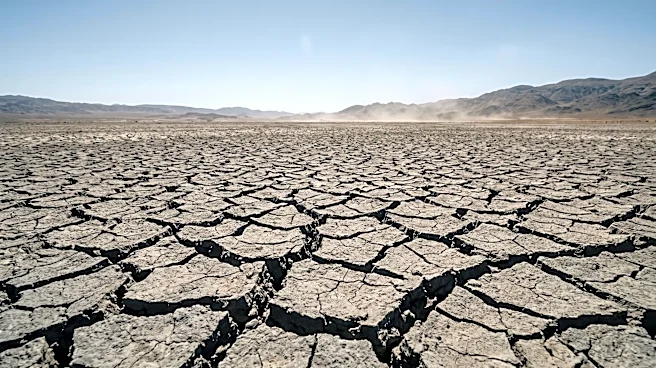
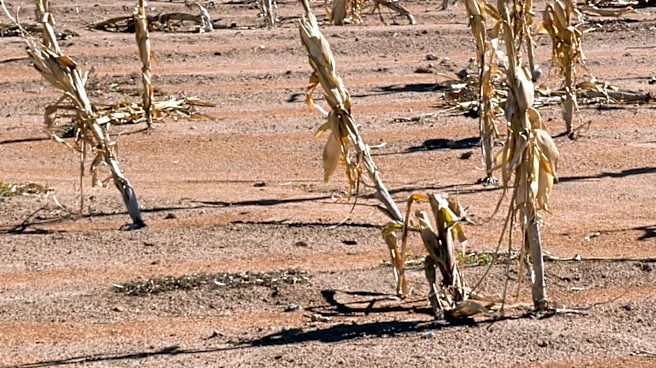
people faced acute food insecurity and 2.2 million children under five suffered from acute malnutrition in October 2026, according to the World Food Programme (WFP). The World Bank also reported that nearly three-quarters of Yemen's population lives below the poverty line. The country's agricultural sector is strained by prolonged dry conditions, high temperatures, and conflict, leading to cereal production below average in 2025. Yemen's heavy reliance on imported essential goods makes its households vulnerable to rising prices and supply disruptions. Globally, climate change, El Niño, and persistent structural challenges exacerbate these risks, threatening food security and the right to food, particularly in vulnerable regions. The Special Rapporteur on the right to food emphasizes the urgent need to transform industrial food systems towards resilient, sustainable, and just models.
Why It's Important?
The escalating global food insecurity has profound implications for human dignity and stability. The intentional starvation of civilians is prohibited under international humanitarian law, which also protects resources vital for survival, such as foodstuffs and agricultural infrastructure. When these protections are violated, as seen in conflict zones like Yemen, the consequences extend beyond immediate hunger to long-term poverty and societal breakdown. Families with limited financial resources are forced to eat less, buy less nutritious food, or sell productive assets, hindering their ability to rebuild livelihoods. The interconnectedness of global food systems means that disruptions in one region can have ripple effects, impacting international aid efforts and potentially leading to increased migration and geopolitical instability. The call for transforming industrial food systems highlights a recognition that current models are not sustainable in the face of these growing challenges, necessitating a collective effort to ensure food as a fundamental human right.
What's Next?
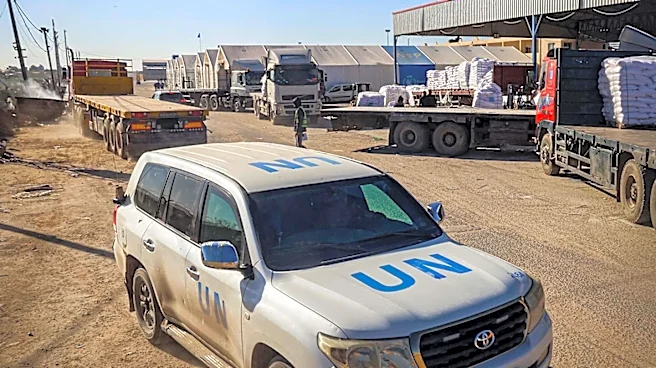
Humanitarian organizations are actively working to address the immediate and long-term challenges of food insecurity. The WFP provides emergency food assistance, reaching millions in areas like Yemen. Other programs, such as the Yemen Food Security Response and Resilience Project, implemented by the United Nations Development Programme (UNDP), focus on maintaining essential agricultural systems by creating workdays, improving water access for farmers, and upgrading agricultural infrastructure. The International Committee of the Red Cross (ICRC) combines emergency aid with livelihood protection, offering cash assistance, food rations, and supporting initiatives like livestock vaccination campaigns. These efforts aim to address immediate hunger while also preserving the productive assets and income sources that families need for recovery. The Special Rapporteur on the right to food will continue to advocate for a transformation of food systems, placing dignity at the core of this approach, suggesting ongoing international efforts to reshape policies and practices.
Beyond the Headlines
The crisis of food insecurity extends beyond mere lack of food; it touches upon fundamental ethical and legal principles. International humanitarian law's emphasis on protecting civilians and their means of survival during conflict underscores a global commitment to human dignity, even in wartime. However, the persistent challenges in implementing these protections highlight a gap between legal frameworks and on-the-ground realities. The long-term implications of food insecurity include not only chronic malnutrition and poverty but also the erosion of social structures and increased vulnerability to future shocks. The call for transforming industrial food systems suggests a deeper critique of current global economic and agricultural practices, pointing towards a need for more equitable and sustainable models that prioritize human well-being over profit. This shift would require significant international cooperation, policy changes, and investment in resilient local food systems to prevent future crises and ensure the right to food for all.