





What's Happening?
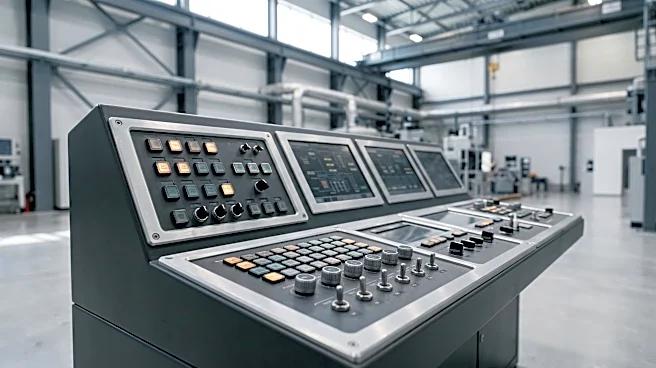
Curtiss-Wright Corporation has successfully developed and installed the Stage 1 Training Simulator (TSN) at TerraPower's Natrium site in Kemmerer, Wyoming. This full-scope simulator, built on Curtiss-Wright's 3KEYMASTER™ simulation software, is designed
to replicate plant equipment and simulate system conditions and operations. Its primary purpose is to support operator training and licensing for the next-generation nuclear reactor. Lynn M. Bamford, Chair and CEO of Curtiss-Wright Corporation, highlighted this as a significant milestone in their collaboration with TerraPower, showcasing the company's expertise in advanced nuclear technologies. George Piccard, Vice President Plant Operations at TerraPower, emphasized that the simulator will be crucial for establishing a qualified nuclear workforce for future Natrium plants, ensuring operators are prepared well in advance of the plant becoming operational. Curtiss-Wright is also developing the Distributed Control Systems (DCS) and the Reactor Protection System (RPS) for the Natrium plant under previous contracts.
Why It's Important?
The installation of the Natrium Training Simulator is a critical step in advancing the development and deployment of next-generation nuclear reactors in the U.S. This technology is vital for ensuring the safe and efficient operation of advanced nuclear power plants, which are seen as a key component of future energy strategies. By providing comprehensive operator training, the simulator helps mitigate risks associated with new nuclear technologies and ensures a skilled workforce is ready to manage these complex systems. This initiative supports the expansion of the U.S. reactor fleet and contributes to energy independence and grid stability. The collaboration between Curtiss-Wright and TerraPower demonstrates how private sector innovation is driving progress in the nuclear energy sector, potentially leading to more reliable and sustainable power sources for the nation. The Natrium plant's unique molten salt-based energy storage system, capable of boosting output to 500-megawatts, signifies a significant leap in nuclear power flexibility and responsiveness to demand fluctuations.
What's Next?
Following the successful installation of the Stage 1 Training Simulator, the immediate next steps will involve extensive operator training and licensing processes at the Kemmerer site. This training is essential to prepare a qualified workforce for the Natrium plant, which is expected to be the first utility-scale advanced nuclear power plant. Curtiss-Wright will continue its work on developing the Distributed Control Systems (DCS) and the Reactor Protection System (RPS) for the Natrium plant, integrating these critical components into the overall system. The progress of the Natrium project will be closely watched as it represents a significant advancement in nuclear energy technology. Future developments will likely include further testing, regulatory approvals, and eventually, the commissioning of the plant, which will set a precedent for subsequent advanced reactor deployments across the U.S. and potentially globally.
Beyond the Headlines
The deployment of advanced nuclear reactor technologies, such as TerraPower's Natrium plant, carries profound implications beyond immediate energy production. Ethically, these reactors offer a pathway to significantly reduce carbon emissions, addressing climate change concerns while providing a stable, baseload power source. However, they also raise questions about nuclear waste management and safety protocols, which require continuous innovation and stringent oversight. Legally, the regulatory frameworks for advanced reactors are still evolving, and the successful operation of the Natrium plant could influence future licensing and safety standards. Culturally, the public perception of nuclear energy, often shaped by past incidents, could shift with the introduction of safer and more efficient designs. The long-term shift could see nuclear power playing a more central role in the U.S. energy mix, fostering economic growth through job creation in high-tech manufacturing and engineering, and enhancing national energy security by reducing reliance on fossil fuels.