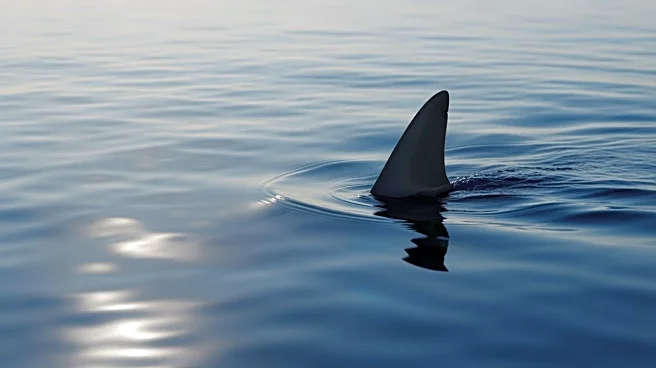

What's Happening?
Bethany 'Bee' Smith, a young researcher, tragically passed away at the age of 24 during a freediving accident in Indonesia while working on a shark conservation project. Smith was known for her work with
megamouth sharks, one of the rarest large animals on Earth. Her research involved tagging, tissue sampling, and testing the effectiveness of a Taiwanese ban on megamouth capture. Smith had spent years studying sharks, combining ecology, fisheries policy, and risk assessment. Her work aimed to reconcile conservation rules with local livelihoods, emphasizing the importance of trust alongside data. Smith's approach to research was methodical, focusing on documentation rather than thrill, and she used social media to bring attention to obscure species and ecosystems.
Why It's Important?
Smith's work highlights the critical role of young researchers in advancing conservation efforts and bridging the gap between scientific research and public engagement. Her approach to shark conservation, which combined rigorous scientific methods with community involvement, underscores the importance of integrating local knowledge and trust in conservation strategies. Smith's use of social media to raise awareness about rare species demonstrates the potential of digital platforms to engage broader audiences in environmental issues. Her untimely death is a reminder of the risks faced by field scientists and the need for adequate support and protection for researchers working in challenging environments. Smith's legacy continues to inspire future conservationists to pursue innovative and inclusive approaches to wildlife protection.