





What's Happening?
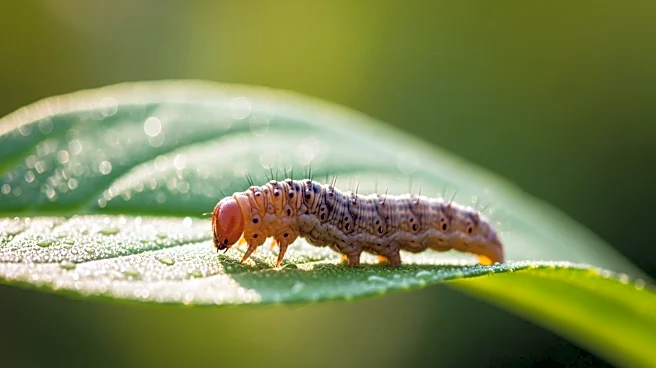
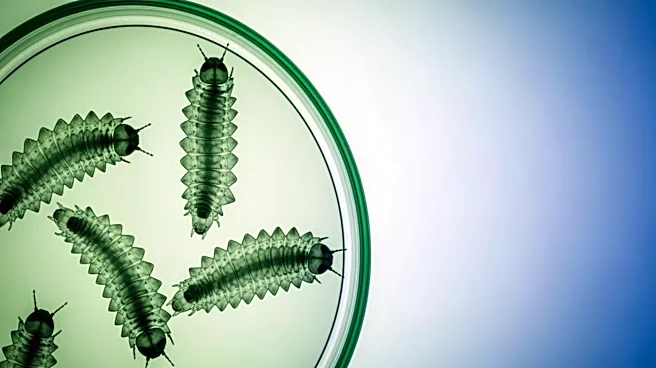
The U.S. Department of Agriculture (USDA) has confirmed the presence of the New World screwworm parasite in a calf in Zavala County, Texas. This marks the first confirmed case in the U.S. in nearly a decade. The USDA is implementing quarantines and movement
controls in a 12-mile zone around the detection site and has expedited the release of sterile flies to prevent the pest's spread. The screwworm can kill an animal within days, posing a significant threat to the U.S. cattle industry, which is already at its lowest level in 75 years. The detection comes as the U.S. beef and cattle industry faces challenges, with consumer prices reaching record highs.
Why It's Important?
The confirmation of the screwworm parasite in Texas is significant as it threatens the already strained U.S. cattle industry. The presence of the parasite could exacerbate supply tightness for U.S. meatpackers, leading to higher operational costs and consumer beef prices. The USDA's response, including movement restrictions and the release of sterile flies, aims to contain the outbreak and prevent further economic impact. The situation highlights the vulnerability of the U.S. cattle industry to external threats and the importance of maintaining biosecurity measures to protect livestock health and market stability.
What's Next?
The USDA plans to continue monitoring the situation and implement additional measures if necessary to prevent the spread of the screwworm parasite. The agency has prepared a stockpile of treatments and is ready to deploy them if a larger outbreak occurs. The U.S. Meat Export Federation will monitor the situation for any potential disruptions to beef exports. The USDA's efforts to contain the outbreak will be crucial in maintaining the health of the U.S. cattle industry and preventing further economic impact.