





What's Happening?
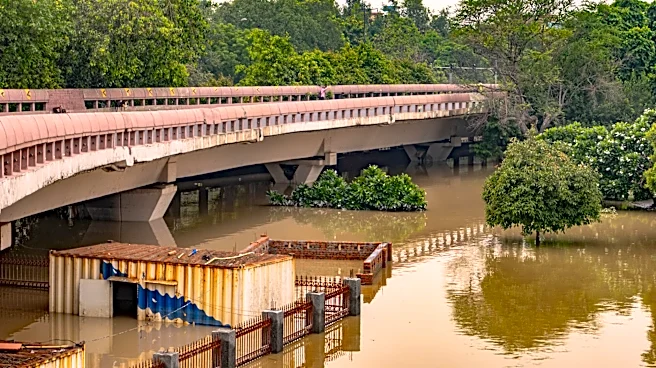
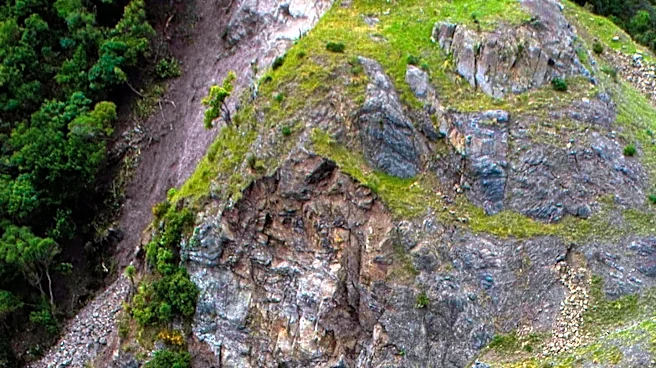
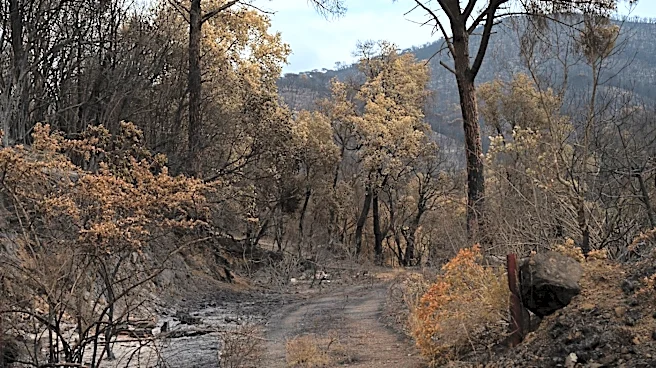
The Colorado Department of Transportation (CDOT) has issued warnings as monsoonal moisture increases the risk of flash floods in the state. With active storms expected, highways near fire burn scars are particularly vulnerable to debris flows and flooding.
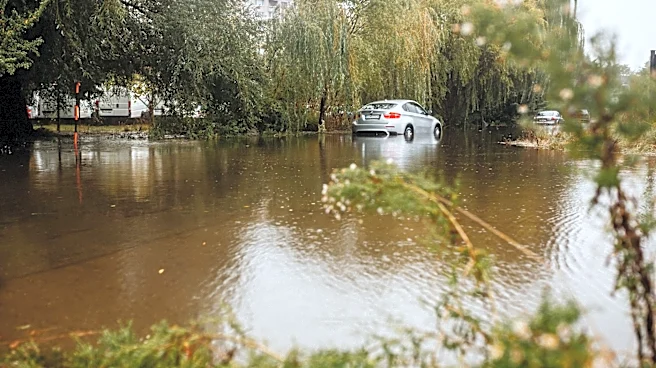
CDOT crews are monitoring these areas and are prepared to close roads if necessary. The department advises motorists to avoid driving through flooded areas, as even a small amount of water can be dangerous. Historical context is provided by the 1976 Big Thompson Canyon flood, which resulted in significant loss of life and property.
Why It's Important?
The increased risk of flash floods poses a significant threat to public safety and infrastructure in Colorado. The potential for road closures and travel disruptions can impact local communities and the economy. CDOT's proactive measures and public advisories are crucial in mitigating risks and ensuring public safety. The situation highlights the importance of emergency preparedness and the need for effective communication between authorities and the public. Understanding the risks associated with monsoon season can help residents and travelers make informed decisions and take necessary precautions.
What's Next?
CDOT will continue to monitor weather conditions and adjust their response strategies as needed. Public awareness campaigns and real-time updates will be essential in keeping residents informed and safe. The department may implement additional safety measures, such as road closures and detours, to manage the risks. Long-term, there may be discussions on improving infrastructure resilience to withstand extreme weather events. Collaboration with local emergency services and the National Weather Service will be key in managing the situation effectively.