





What's Happening?
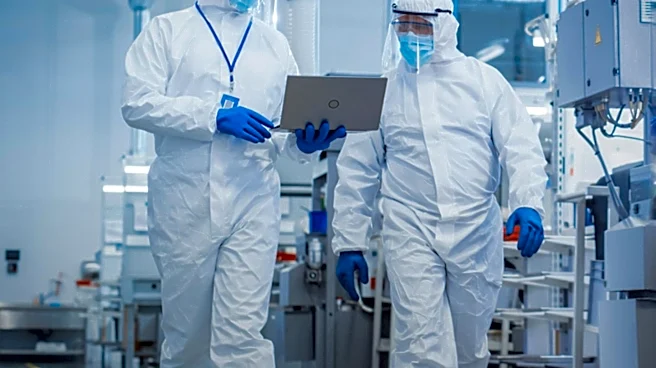
A Microbiologist I position at Tarrant County's Public Health department includes a critical responsibility for responding to bioterrorism events and other public health threats. This grant-funded role, primarily within the Bioterrorism Response and Emerging
Agents Section, requires expertise in molecular and immunological methods such as real-time PCR, conventional PCR, DNA/RNA sequencing, enzyme and fluorescent antibody immunoassays, and fluorescent microscopy. The microbiologist will perform laboratory analysis of various specimens, including water, food, milk, environmental, and clinical samples, adhering to regulatory procedures. Key duties also involve quality control, preventative maintenance, reviewing test results for accuracy, and reporting findings to relevant agencies. The position demands participation in continuing education and proficiency testing, highlighting the ongoing need for specialized skills in public health defense.
Why It's Important?
This role underscores the ongoing importance of robust public health infrastructure and specialized scientific expertise in safeguarding national security and public well-being. The focus on bioterrorism preparedness reflects a recognition of potential threats that could have widespread and devastating impacts on the U.S. population and economy. By investing in microbiologists with advanced skills in molecular and immunological methods, Tarrant County is enhancing its capacity to rapidly detect, identify, and respond to biological agents, thereby mitigating the spread of disease and minimizing casualties. This proactive approach is crucial for maintaining public trust and ensuring the continuity of essential services during a crisis. The ability to quickly analyze and report on potential threats is vital for informing public health interventions and protecting critical infrastructure.
What's Next?
The continued emphasis on specialized roles like this microbiologist position suggests an ongoing commitment to strengthening public health emergency response capabilities across the U.S. Future developments may include increased funding for similar grant-funded positions, further integration of advanced molecular diagnostics into routine public health surveillance, and enhanced training programs for laboratory personnel. Collaboration between local, state, and federal agencies, such as the CDC, will likely intensify to ensure a coordinated and effective response to emerging threats. The experience gained from responding to various public health challenges will continue to inform and refine preparedness strategies, leading to more resilient and responsive public health systems nationwide.
Beyond the Headlines
The existence of such specialized roles highlights a broader societal concern regarding biological threats, extending beyond natural outbreaks to deliberate acts of bioterrorism. This necessitates not only scientific and medical preparedness but also robust intelligence gathering and inter-agency coordination to prevent such events. The ethical implications of handling highly dangerous pathogens and the need for stringent biosafety protocols are paramount. Furthermore, public education and communication strategies are crucial to manage panic and ensure public cooperation during a biological incident. The continuous evolution of biological science also means that preparedness efforts must be dynamic, adapting to new technologies and potential threats, making ongoing research and development in countermeasures a critical national security imperative.