




What's Happening?
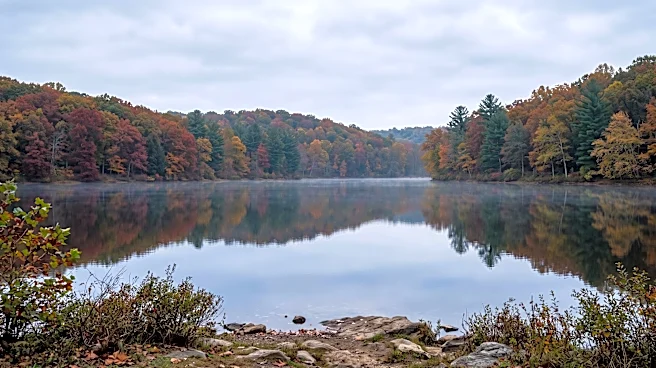
Deer hunting will resume in Mount Penn and Antietam Lake Park this fall as part of an ongoing deer management program. Starting in September, bow hunting will be permitted in these areas by a select group of hunters holding special licenses. The controlled
archery hunt is scheduled to begin on September 19 and will continue through January 24, with hunting allowed on Sundays. Hunters are permitted to operate from 30 minutes before sunrise until 30 minutes after sunset and are allowed to keep the meat from their kills. Typically, hunting is not allowed in Mount Penn or Antietam Lake Park. However, in April 2021, the Berks County commissioners approved a partnership with the U.S. Department of Agriculture Wildlife Services, based on recommendations from the Antietam Lake Natural Resource Stewardship Plan, to implement this program. The hunters participating in the program were selected through an application process by Wildlife Services, requiring them to pass a proficiency test and attend an orientation covering safety and hunting ethics.
Why It's Important?
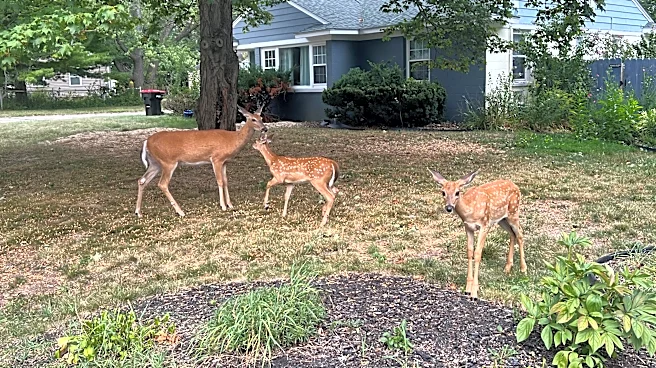
The return of deer hunting to Mount Penn and Antietam Lake Park is a significant environmental management initiative aimed at addressing the impacts of a large deer population. County officials, in conjunction with the City of Reading, intend for this program to reduce deer numbers to alleviate negative ecological effects and then maintain a balanced ecosystem. The primary goals include minimizing land damage, reducing the threat of disease transmission, decreasing deer-related accidents, and rebalancing the local ecosystem. An overpopulation of deer can lead to significant damage to forest undergrowth, affecting biodiversity and forest regeneration. It can also increase the incidence of Lyme disease and other zoonotic diseases, posing public health risks. Furthermore, deer-vehicle collisions are a common concern, leading to property damage and potential injuries. This controlled hunting program represents a proactive approach to wildlife management, balancing ecological health with public safety and resource preservation.
What's Next?
The controlled archery hunt will proceed as scheduled, commencing on September 19 and running until January 24. During this period, authorized bow hunters will conduct their activities on Sundays, adhering to specific timeframes from 30 minutes before sunrise to 30 minutes after sunset. Wildlife Services will continue to oversee the program, ensuring that all participants comply with Pennsylvania Game Commission rules and the established safety and ethical guidelines. No unauthorized hunting will be permitted in Antietam Lake Park. The effectiveness of the program will likely be monitored by county officials and Wildlife Services to assess its impact on deer populations and the local ecosystem. Future decisions regarding the continuation or modification of the deer management program will depend on the outcomes observed during this hunting season and ongoing ecological assessments. Individuals interested in participating in future hunts can contact Wildlife Services for information on waiting lists.
Beyond the Headlines
The implementation of a controlled deer hunting program in urban-adjacent natural areas like Mount Penn and Antietam Lake Park highlights the complex challenges of wildlife management in increasingly human-dominated landscapes. This initiative reflects a broader ecological principle: that human intervention is sometimes necessary to restore or maintain ecological balance when natural predators are absent or insufficient. Beyond the immediate goals of reducing deer populations, such programs often spark public debate regarding animal welfare, the ethics of hunting, and the role of humans in managing natural systems. The requirement for proficiency tests and ethical orientation for hunters underscores a commitment to responsible and humane practices. This program could serve as a model for other communities facing similar issues, demonstrating how scientific recommendations and controlled interventions can be used to mitigate ecological damage and enhance public safety while navigating diverse community perspectives on wildlife.