


What's Happening?
The United States and Iran are engaged in indirect negotiations to extend a two-week ceasefire, which is set to expire on April 22. These talks are part of broader diplomatic efforts led by Pakistan, with its army chief visiting Tehran to mediate. The White
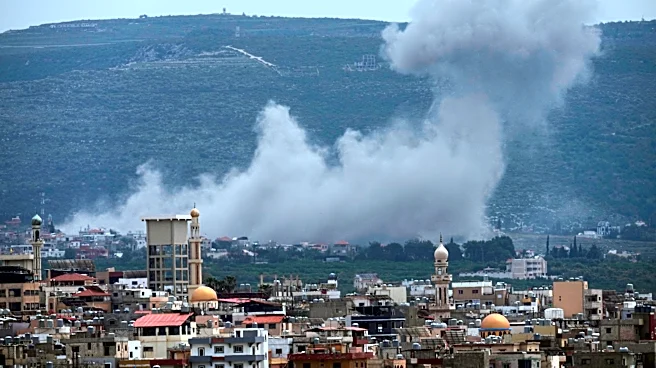
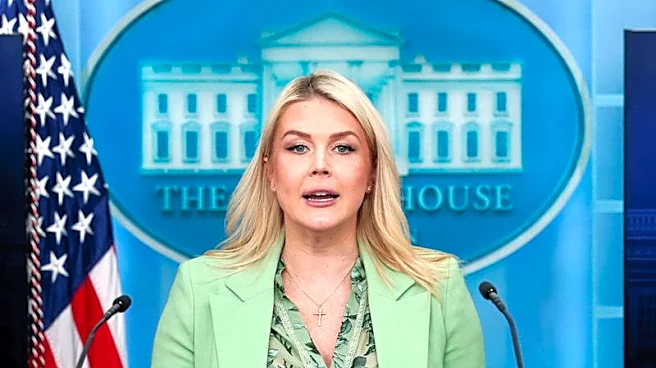
House, through Press Secretary Karoline Leavitt, has expressed optimism about reaching a deal, although no formal request for an extension has been made. The negotiations follow a failed attempt to secure a peace agreement, with both sides reportedly in favor of prolonging the truce. Meanwhile, tensions remain high as Israel continues military operations against Hezbollah in Lebanon, complicating the regional security landscape.
Why It's Important?
The outcome of these talks holds significant implications for regional stability and international relations. An extended ceasefire could pave the way for a more comprehensive peace agreement, potentially easing tensions in the Middle East. The involvement of Pakistan as a mediator highlights the complex geopolitical dynamics at play, with multiple countries vested in the outcome. For the U.S., a successful negotiation could enhance its diplomatic standing and reduce military engagement in the region. Conversely, failure to extend the ceasefire could lead to renewed hostilities, impacting global oil markets and regional security.
What's Next?
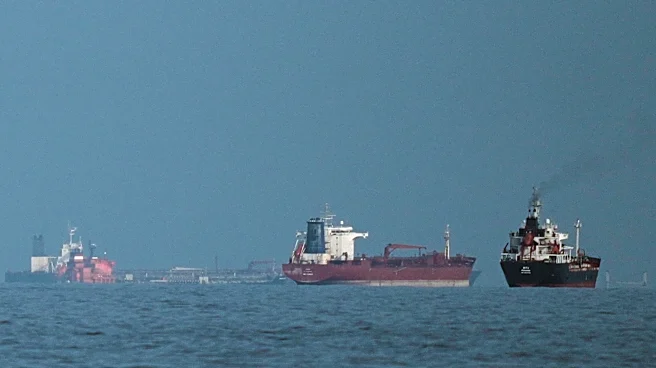
If the ceasefire is extended, it could lead to further diplomatic engagements aimed at a long-term resolution. However, ongoing Israeli military actions against Hezbollah and Iran's demands for an end to these attacks could complicate negotiations. The U.S. has also implemented a naval blockade on Iranian ports, which Iran has threatened to counter by disrupting trade in the Gulf region. These developments suggest that while diplomatic efforts continue, the potential for escalation remains if a comprehensive agreement is not reached.