



What's Happening?
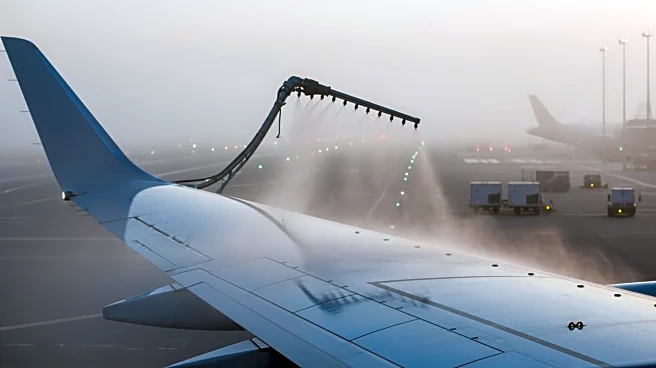
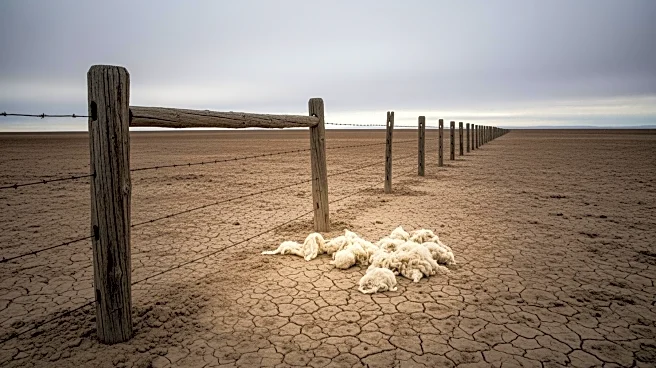
In 1968, a malfunctioning spray nozzle on an F-4 Phantom aircraft released VX nerve agent during a test at Utah's Dugway Proving Ground, resulting in the death of thousands of sheep in Skull Valley. The Army initially denied responsibility but later settled
with affected ranchers. The incident led to the end of open-air chemical weapons testing in the U.S. and highlighted the dangers of chemical warfare agents. The Army's internal investigation confirmed the presence of VX, but the report remained classified for decades.
Why It's Important?
The Dugway incident underscores the risks associated with chemical weapons testing and the potential for unintended consequences. It prompted significant changes in U.S. military policy, including the cessation of open-air testing and increased scrutiny of chemical weapons programs. The event also contributed to broader public awareness and debate over chemical weapons, influencing international arms control agreements. The incident serves as a reminder of the ethical and environmental considerations in military testing and the importance of transparency and accountability.
Beyond the Headlines
The Dugway incident had long-term implications for U.S. military policy and international arms control. It highlighted the need for stringent safety protocols and oversight in weapons testing. The event also raised ethical questions about the use of chemical weapons and their impact on civilian populations and the environment. The subsequent public and political pressure contributed to the U.S. ratifying the Geneva Protocol and the eventual Chemical Weapons Convention, which sought to eliminate chemical weapons globally.