





What's Happening?
The Birds Not Mosquitos coalition, a multi-agency effort in Hawai'i, has paused its incompatible insect technique (IIT) program after an unexpected surge in mosquito numbers on Kaua'i led to a dramatic decline in native bird populations. The coalition, which
includes the Hawai'i Department of Land and Natural Resources, U.S. Fish and Wildlife Service, U.S. Department of the Interior, University of Hawai'i, National Park Service, and various non-profit organizations, had invested significantly in the IIT. This technique involved releasing male mosquitoes infected with a specific bacteria to prevent female mosquitoes from producing viable eggs. The initiative received over $49 million in federal funding and $2.4 million from the state. Despite initial optimism, data by late 2025 indicated the IIT was not preventing avian malaria at the necessary rates. The situation worsened on Kaua'i last winter, with an unprecedented mosquito population explosion on the Alaka'i Plateau, a critical habitat for native forest birds, resulting in severe population drops for species like the 'i'iwi, 'anianiau, and Kaua'i 'amakihi.
Why It's Important?
This development is critical for U.S. conservation efforts, particularly in Hawai'i, where native forest birds are highly vulnerable to avian malaria spread by the southern house mosquito (Culex quinquefasciatus). The failure of the IIT program, despite substantial federal and state funding, highlights the immense challenges in combating invasive species and protecting endangered wildlife. The plummeting bird populations on Kaua'i underscore the urgency of finding effective solutions, as climate change continues to expand mosquito habitats to higher elevations, further threatening these unique species. The shift in strategy by the Birds Not Mosquitos coalition to explore alternatives like bacillus thuringiensis serovar israelensis (BTI) demonstrates the adaptive nature required in conservation but also raises concerns about the economic feasibility and logistical challenges of deploying such solutions on a large scale. The potential loss of more native Hawaiian bird species would represent a significant blow to biodiversity and the ecological balance of the islands.
What's Next?
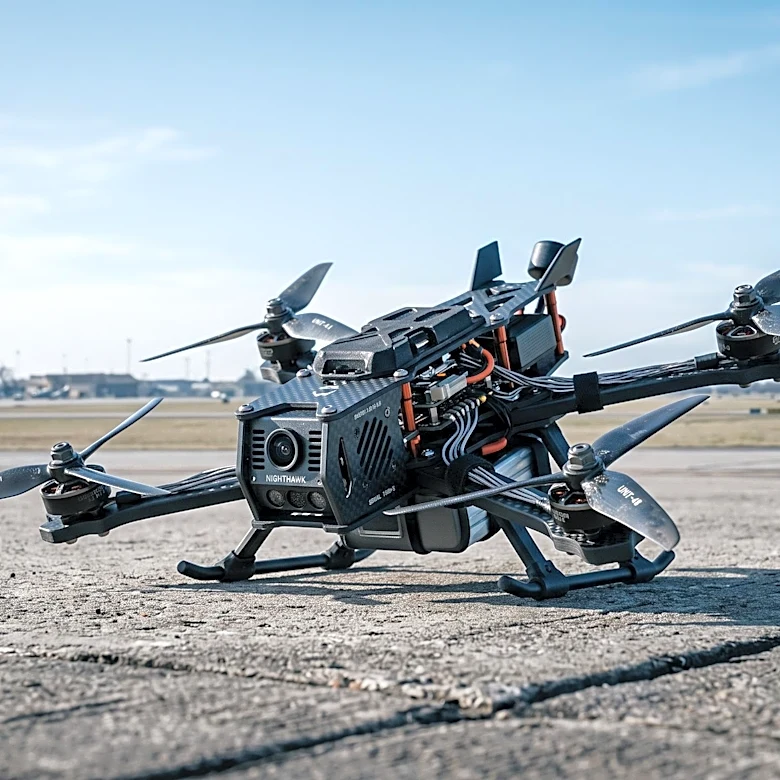
The Birds Not Mosquitos coalition is now shifting its focus to bacillus thuringiensis serovar israelensis (BTI), a larvicide, as an alternative mosquito control method. Deployment of BTI is set to begin on Maui this month, with plans to expand to other islands if funding becomes available. The coalition has applied for several grants to continue mosquito abatement work beyond 2027, requesting $12 million in state Green Fee funds for 2026, but only receiving $1.6 million. Logistical challenges for BTI deployment include its heavier payload, requiring distribution via helicopters, and the need for regular applications and increased human labor. The coalition is also working with the Federal Aviation Administration to secure permits for heavier-duty drones. Conservationists are sending some remaining birds from Kaua'i into captive breeding programs, and there are plans to relocate several 'anianiau to the Big Island. The effectiveness and funding for these new strategies will be crucial in determining the future of Hawai'i's native forest birds.
Beyond the Headlines
The struggle to save Hawai'i's native birds from mosquito-borne diseases extends beyond immediate conservation tactics, touching upon broader ethical and cultural dimensions. The initial optimism surrounding the high-tech incompatible insect technique, followed by its quiet pause, reflects the complex and often unpredictable nature of ecological interventions. The economic implications are significant, as the cost of breeding and transporting mosquitoes for IIT was substantial, and the new BTI strategy, while potentially more cost-effective, still requires massive investment and logistical coordination. This situation also highlights the long-term impact of climate change, which is pushing mosquitoes into previously safe, higher-elevation habitats, forcing conservationists to constantly adapt their strategies. The potential extinction of more honeycreeper species would not only be an ecological tragedy but also a cultural loss, as these birds are integral to Hawaiian ecosystems and traditions. The ongoing efforts underscore the need for sustained funding, innovative research, and collaborative partnerships to address such complex environmental challenges.