





What's Happening?
Major technology companies are increasingly integrating smartphone-like applications into smart TVs, transforming them into devices that collect extensive user data. Google has made its Photos app available on Samsung smart TVs, and YouTube has extended
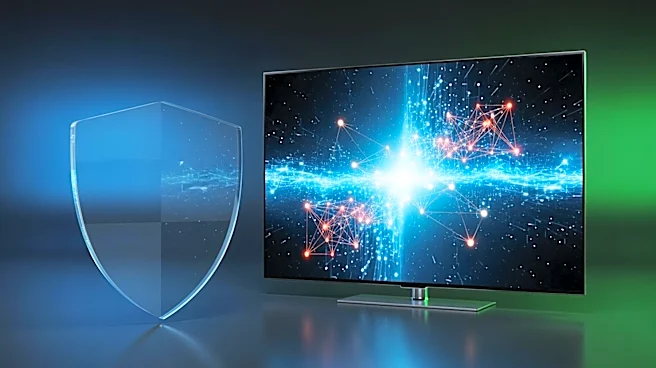
its Gemini-powered features to TV apps. This shift is part of a broader trend where TVs are becoming more like smartphones, offering apps such as music streaming services and Instagram Reels. This integration allows companies to gather more data from users, as TVs can track viewing habits, time spent watching, and even audio from voice commands. Despite the convenience, this raises significant privacy concerns as these devices collect and share data with advertisers, creating detailed consumer profiles.
Why It's Important?
The integration of smartphone features into TVs represents a significant shift in how consumer data is collected and used. As TVs become more like smartphones, they offer tech companies a new avenue to gather data, which can be used to enhance targeted advertising. This development is crucial for advertisers and tech companies seeking to maximize revenue through more personalized ads. However, it also poses privacy risks for consumers, as the data collected can be extensive and intrusive. The lack of transparency and control over data collection practices on smart TVs could lead to increased scrutiny and calls for regulatory action to protect consumer privacy.
What's Next?
As smart TVs continue to evolve, consumers may face more invasive data collection practices. Some states, like Kentucky and Texas, are beginning to implement laws to protect consumer data, classifying TV-viewing patterns as sensitive information. These legislative efforts could lead to broader legal protections and transparency measures. However, without federal regulation, the responsibility largely falls on individual states to address these privacy concerns. Consumers may also seek ways to mitigate data collection by disabling tracking features or opting for older, non-smart TV models.
Beyond the Headlines
The transformation of TVs into data-collecting devices highlights a broader trend of increasing surveillance in everyday technology. This shift raises ethical questions about consumer consent and the balance between convenience and privacy. As TVs become more integrated with the internet, they blur the line between passive entertainment devices and active data collectors. This could lead to a cultural shift where consumers become more aware of and concerned about their digital privacy, potentially influencing future technology design and regulation.