


What's Happening?
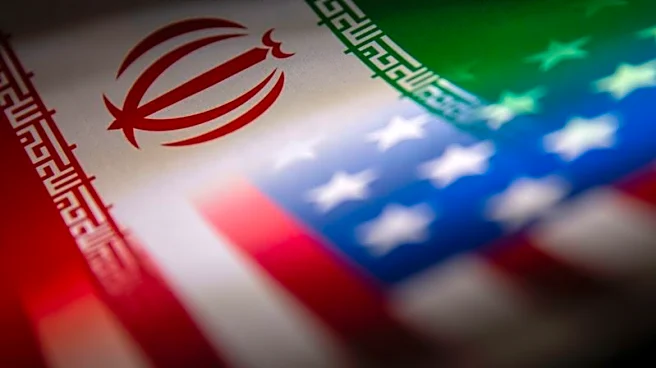
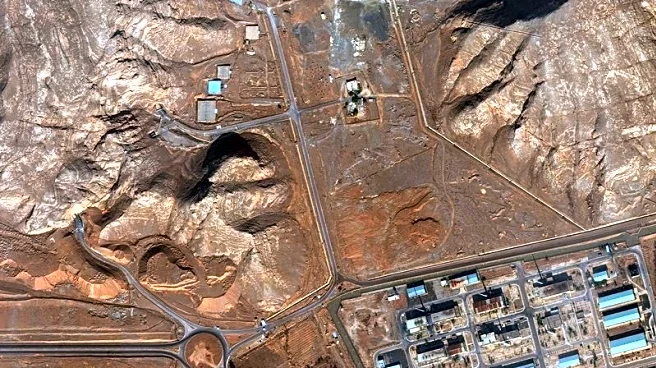
An adviser to U.S. President Donald Trump has indicated a high likelihood of military action against Iran due to stalled negotiations over Iran's nuclear program and regional activities. The U.S. and Israel are reportedly preparing for a joint military campaign
that could be extensive and impactful on the Iranian regime. The U.S. has moved significant military assets into the region, including the USS Gerald R. Ford carrier strike group. Meanwhile, anti-regime protests continue in Iran, highlighting domestic discontent with the government's policies. The Iranian Teachers Union has also staged a nationwide strike, further emphasizing public frustration.
Why It's Important?
The potential for military conflict with Iran represents a critical juncture in U.S. foreign policy, with significant implications for regional stability and international relations. A military campaign could disrupt global oil supplies, affecting economies worldwide. The ongoing protests in Iran reflect deep-seated dissatisfaction with the regime, which could be exacerbated by external military pressure. The U.S. and Israel's coordinated approach underscores their strategic alliance and shared concerns over Iran's influence in the region. However, military action carries risks of escalation and unintended consequences, including potential backlash from other regional actors.
What's Next?
As tensions escalate, diplomatic channels may be explored to avert conflict, though the likelihood of military action remains high. The international community will be closely watching for any developments, with potential implications for global security and economic markets. The situation in Iran could also evolve, with domestic unrest potentially influencing the regime's response to external pressures. The U.S. and Israel will continue to coordinate their strategies, with military readiness being a key focus.