







What's Happening?
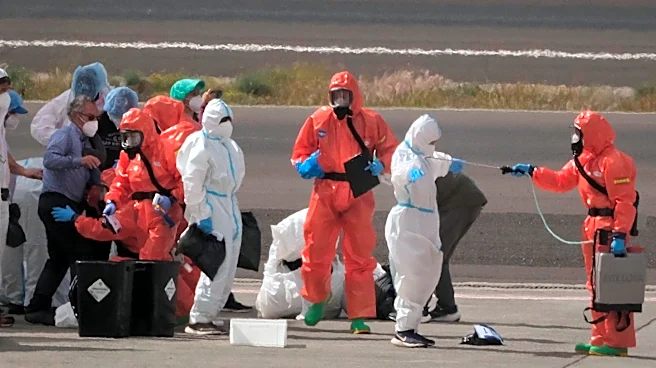
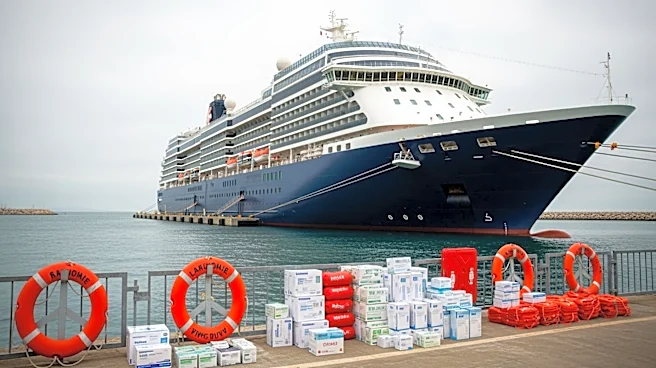
A recent outbreak of the Andes hantavirus on the Hondius cruise ship has drawn international attention after three passengers died and multiple cases were reported. The virus, which can spread through direct contact and aerosols, poses significant challenges
due to its long incubation period and non-specific early symptoms. The first case on the ship involved a passenger who developed symptoms such as fever and mild diarrhea, eventually leading to respiratory failure. The outbreak underscores the limitations of current health screening practices for travelers, as many passengers left the ship before the outbreak was detected, potentially spreading the virus further.
Why It's Important?
The outbreak on the Hondius cruise ship serves as a critical reminder of the vulnerabilities in global pandemic prevention systems. The ability of the Andes hantavirus to spread between people, albeit rarely, highlights the need for more effective health screening and diagnostic measures in travel settings. The incident echoes past challenges, such as the Ebola case in the U.S., where initial misdiagnosis led to further transmission. This situation emphasizes the importance of developing rapid and accurate diagnostic tools to identify and contain outbreaks of rare but deadly viruses, which could have significant public health implications.
What's Next?
In response to the outbreak, there is a call for improved pre-departure screening and the use of advanced diagnostic technologies, such as metagenomic sequencing and PCR tests, to quickly identify pathogens. The incident may prompt increased investment in point-of-care diagnostics to better manage future outbreaks. Additionally, there may be a push for more comprehensive travel health protocols, particularly for regions known to harbor such viruses. The global health community will likely focus on enhancing surveillance and response strategies to prevent similar incidents.