






What's Happening?
Joshua Tree National Park, located in southern California, is renowned globally as a premier destination for rock climbing, boasting more than 8,000 established climbing routes. The park's unique granite formations provide a diverse and challenging environment
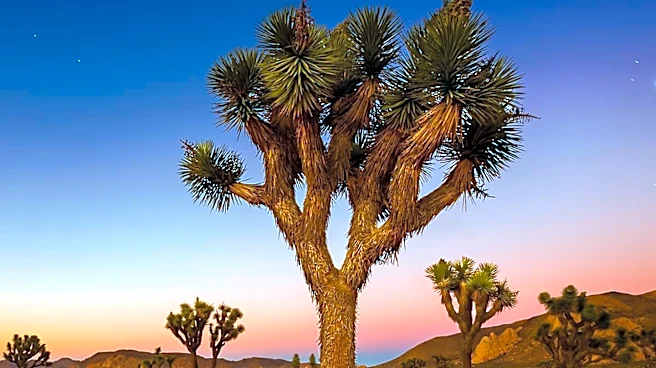
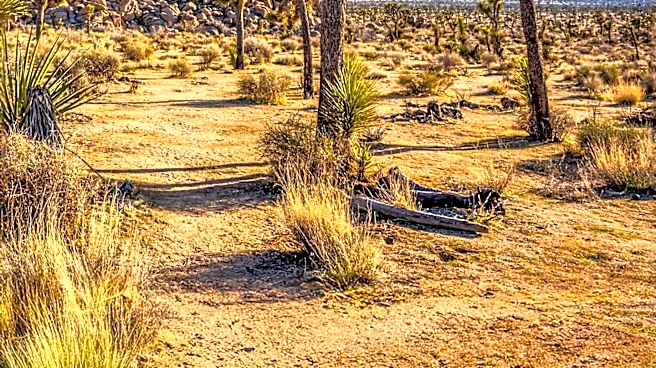
for climbers of all skill levels. Beyond climbing, the park encompasses nearly 800,000 acres, offering a wide array of outdoor activities such as hiking, mountain biking, and stargazing. Its landscape is characterized by twisted Joshua trees and massive boulder piles, creating a distinctive desert environment. The park's popularity extends to various guided tours, including self-guided audio tours, scenic tours, 4x4 off-road adventures, and professional stargazing experiences, catering to a broad spectrum of visitors seeking to explore its natural wonders.
Why It's Important?
Joshua Tree National Park's status as a world-class climbing destination significantly impacts the local economy and outdoor recreation industry. The presence of over 8,000 climbing routes attracts a substantial number of domestic and international visitors, supporting local businesses such as guide services, gear shops, and hospitality providers in nearby towns like Twentynine Palms and Yucca Valley. This influx of tourism also highlights the importance of responsible recreation and conservation efforts to preserve the park's delicate ecosystem and unique geological features. The park's diverse offerings, from extreme sports to serene stargazing, underscore its multifaceted appeal and its role in promoting physical activity, environmental appreciation, and mental well-being among its visitors. The continued popularity of such natural attractions emphasizes the need for sustainable tourism practices and robust park management.
What's Next?
As Joshua Tree National Park continues to attract a growing number of visitors, particularly during peak seasons from October through May, park management will likely focus on balancing visitor access with resource protection. Efforts may include enhancing visitor services, managing crowd density, and promoting Leave No Trace principles to minimize environmental impact. The availability of various guided tours suggests a trend towards structured and educational visitor experiences, which can help distribute visitors across different areas of the park and provide deeper insights into its ecology and geology. Future developments might involve further expansion of guided programs, improved infrastructure for visitor safety, and continued conservation initiatives to safeguard the park's unique climbing areas and natural beauty for generations to come.
Beyond the Headlines
The allure of Joshua Tree National Park as a climbing mecca reflects a broader cultural appreciation for extreme sports and wilderness exploration. The park's granite formations are not merely geological features but serve as a canvas for human endeavor, pushing the boundaries of physical and mental endurance. This engagement with nature, particularly through challenging activities like rock climbing, fosters a deep connection to the environment and promotes a sense of stewardship. The park's unique blend of desert flora, distinctive rock formations, and clear night skies also offers a spiritual and contemplative experience, drawing visitors seeking solace and inspiration. This combination of adventure and introspection positions Joshua Tree as more than just a national park; it is a significant cultural and recreational landmark that continually inspires and challenges its visitors.