









What's Happening?
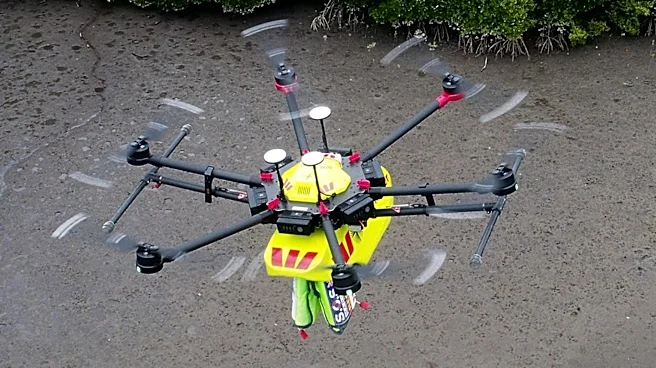
KDDI, a Japanese telecom operator, is set to conduct a feasibility study on the deployment of AI-powered drones in Vietnam and the Philippines. This initiative is part of the 'Global South Future-Oriented Co-Creation' program by Japan's Ministry of Economy,
Trade and Industry (METI), which supports Japanese companies in expanding operations in emerging economies. The study will focus on two primary applications: disaster prevention and response, and infrastructure inspection and patrol. The aim is to enhance local disaster prevention measures and emergency response capabilities using AI drones. Additionally, the drones will be used to monitor and inspect critical infrastructure such as telecom networks, electrical systems, and transportation facilities. Vietnam and the Philippines are particularly vulnerable to natural disasters like typhoons and earthquakes, which often result in significant infrastructure damage and communication breakdowns.
Why It's Important?
The deployment of AI-powered drones in disaster-prone regions like Vietnam and the Philippines could significantly improve disaster management and infrastructure maintenance. By enhancing emergency response capabilities and infrastructure monitoring, these drones can help mitigate the impact of natural disasters, potentially saving lives and reducing economic losses. The initiative also highlights the growing role of technology in addressing global challenges, particularly in regions lacking sufficient skilled personnel for infrastructure maintenance. For KDDI, this project represents an opportunity to expand its technological solutions and business operations in the Asia-Pacific region, potentially setting a precedent for similar initiatives in other emerging markets.
What's Next?
KDDI will oversee the feasibility study, including market analyses and the drafting of a final assessment report. Its subsidiary, KDDI SmartDrone, will handle specialized investigations, such as local regulations and partner surveys. The companies will leverage their expertise in drone technology and their business presence in the Asia-Pacific region to explore the commercial viability of drone operations in the Global South. If successful, this project could lead to the establishment of permanent drone infrastructure in these countries, enhancing their disaster management capabilities and infrastructure resilience.