






What's Happening?
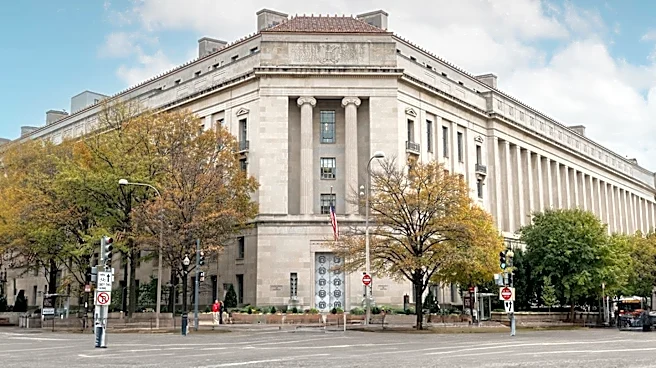
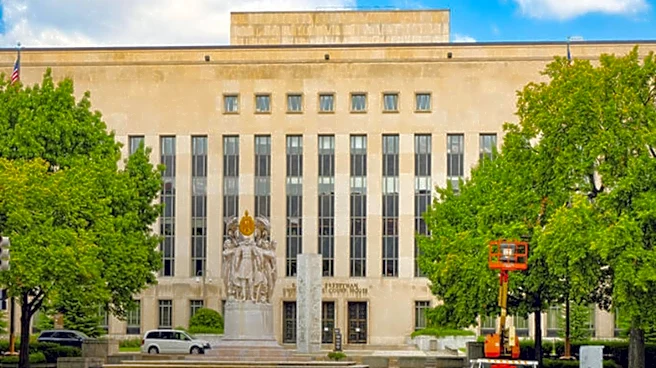
The Department of Justice (DOJ) is facing criticism for its handling of legal proceedings and subpoena strategies. A federal court in Michigan has highlighted issues with DOJ misrepresentations, particularly involving an AI-generated error that was used
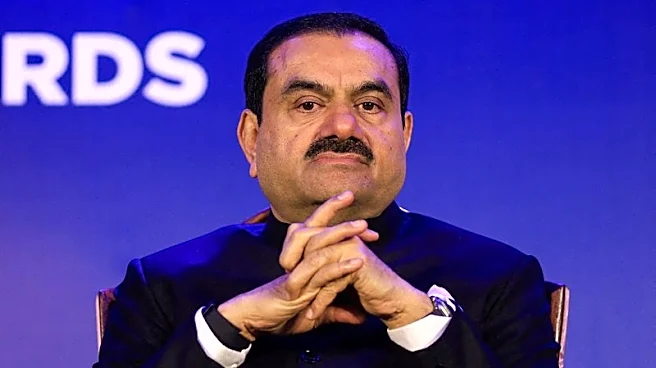
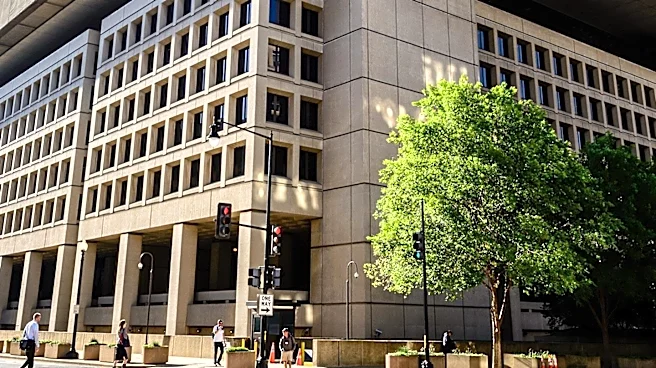
to justify the continued detention of an individual. Despite these findings, no sanctions have been imposed on the DOJ. Additionally, the DOJ's approach to issuing subpoenas to major law firms, referred to as 'Biglaw', has been questioned, with doubts about the effectiveness of their strategy. In a related development, Alan Dershowitz, a prominent lawyer, canceled a scheduled interview regarding the Epstein case, adding to the scrutiny of legal processes. Furthermore, President Trump has reportedly involved an FBI forensics team in the ongoing 'Reflecting Pool' saga, which has taken an unexpected turn.
Why It's Important?
The DOJ's handling of legal proceedings and its approach to subpoenas are critical as they impact the integrity and efficiency of the U.S. legal system. Missteps, such as the AI error in Michigan, raise concerns about the reliance on technology in legal decisions and the potential for wrongful detentions. The lack of sanctions despite court findings may undermine public trust in the DOJ's accountability. The involvement of high-profile figures like Alan Dershowitz and President Trump in related legal matters highlights the intersection of legal processes with political and public interest, potentially influencing public perception and policy discussions.
What's Next?
The DOJ may face increased scrutiny and calls for reform in its legal strategies and use of technology. Legal experts and civil rights advocates might push for more stringent oversight and accountability measures to prevent similar issues in the future. The ongoing involvement of President Trump and the FBI in the 'Reflecting Pool' saga could lead to further developments and public interest. Additionally, the legal community may debate the implications of high-profile cancellations, like Dershowitz's, on ongoing investigations and public trust.