




What's Happening?
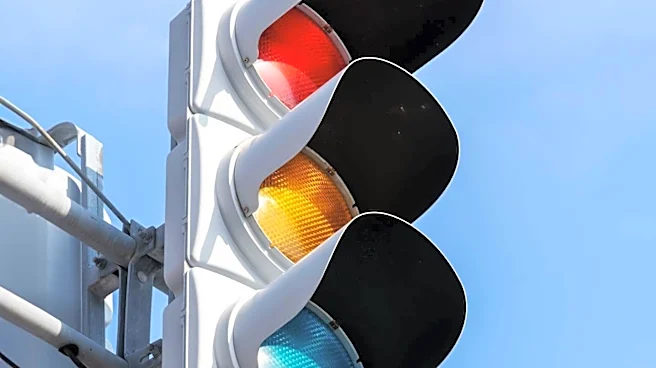
The City of Lawton is close to finishing its Gore Boulevard traffic signal implementation project, with 10 out of 11 planned intersections already upgraded. The final installation at 38th Street is scheduled for completion on November 12. This project involves
enhancing traffic signal equipment along Gore Boulevard to improve coordination and traffic flow. The upgrades include installing new signal controllers, malfunction management units, and GPS receivers, along with programming and testing the new equipment. Following the completion of the current phase, the project team plans to evaluate the signals' operation and make further timing adjustments. Additionally, discussions are underway for a proposed Phase 3, which would introduce traffic activation controls to the signals. This technology would use vehicle detection equipment to adjust signal operation based on real-time traffic demand, rather than relying solely on preset timings. Grant funding of approximately $394,000 is available through the Lawton Metropolitan Planning Organization's Congestion Mitigation and Air Quality Improvement Program (LMPO/CMAQ) to fund traffic activation at least nine of the 11 intersections, with an estimated cost of $34,000 to $35,000 per intersection.
Why It's Important?
This project is important for Lawton residents and commuters as it aims to significantly improve traffic flow and reduce congestion along Gore Boulevard, a key thoroughfare in the city. Enhanced traffic coordination can lead to shorter travel times, decreased fuel consumption, and a reduction in vehicle emissions, contributing to better air quality. The introduction of traffic activation controls in Phase 3 represents a move towards more intelligent and responsive urban infrastructure, which can adapt to changing traffic patterns and optimize efficiency. For local businesses, smoother traffic flow can make their locations more accessible and potentially increase customer traffic. The utilization of grant funding from the LMPO/CMAQ program highlights a strategic approach to infrastructure development, leveraging federal and regional resources to implement costly but beneficial technological upgrades. This also demonstrates a commitment to environmental goals by mitigating congestion and improving air quality, which benefits public health and the overall livability of the city.
What's Next?
Upon the completion of the final installation at 38th Street on November 12, the project team will focus on evaluating the integrated operation of the upgraded traffic signals. This evaluation will inform further timing adjustments to maximize efficiency. The next significant step involves the potential implementation of Phase 3, which will add traffic activation controls to the signals. With approximately $394,000 in grant funding available from the LMPO/CMAQ program, the city can proceed with funding traffic activation at a minimum of nine intersections. This phase will involve the deployment of vehicle detection equipment to enable real-time adjustments to signal operations based on traffic demand. The successful integration of these advanced controls is expected to further optimize traffic management and enhance the daily commuting experience for Lawton residents.
Beyond the Headlines
The modernization of Lawton's traffic infrastructure through projects like the Gore Boulevard upgrade reflects a broader national trend towards smart city initiatives. Beyond immediate traffic benefits, such technological advancements lay the groundwork for future urban planning strategies, potentially integrating with autonomous vehicle systems and more sophisticated public transportation networks. The shift from static, preset timings to dynamic, demand-based signal operations signifies a fundamental change in how urban areas manage their circulatory systems, moving towards predictive and adaptive models. This also raises questions about data privacy and the ethical implications of extensive vehicle detection, though the primary focus remains on efficiency and environmental benefits. The long-term impact could include a re-evaluation of urban design principles, prioritizing pedestrian and cyclist safety alongside vehicular flow, and fostering a more sustainable urban environment.