








What's Happening?
Ford City Mall, a longstanding shopping center on Chicago's South Side, has been ordered to close by a court due to safety concerns related to its fire suppression system. The mall, which opened in 1965 and was once home to over 100 stores, was scheduled
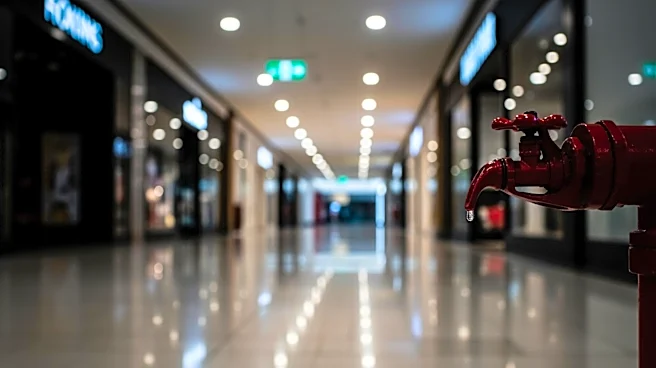
to shut its doors permanently by noon on June 22, 2026. However, visitors found the mall already closed on the preceding Sunday. The city of Chicago filed an emergency motion to vacate the premises, citing a defective fire suppression system that has been malfunctioning for the past two years. This system's failure poses significant risks, including potential severe injury or death in the event of a fire, and could also lead to structural instability due to soil erosion beneath the mall. While most indoor stores have already closed, outdoor businesses like the AMC theater, Planet Fitness, and IHOP will remain operational.
Why It's Important?
The closure of Ford City Mall highlights critical safety and infrastructure issues that can affect public spaces. The decision underscores the importance of maintaining functional safety systems in commercial properties to protect tenants and visitors. This closure impacts the local economy, as the mall was a significant retail hub in the area. The loss of business could affect employment and local commerce, particularly for those who relied on the mall for their livelihoods. Additionally, the situation raises questions about the future use of the property, with potential redevelopment plans that could transform the site into a mix of housing, retail, and green spaces. This could lead to new economic opportunities and urban development in the area.
What's Next?
The future of the Ford City Mall site remains uncertain, with various proposals under consideration. Potential redevelopment plans include transforming the area into warehouses or a mixed-use space with housing, retail, and green areas. These plans could revitalize the local economy and provide new opportunities for community development. Stakeholders, including city officials, developers, and community members, will likely engage in discussions to determine the best course of action for the site. The outcome of these discussions could significantly impact the local landscape and economy, shaping the future of the South Side of Chicago.