


What's Happening?
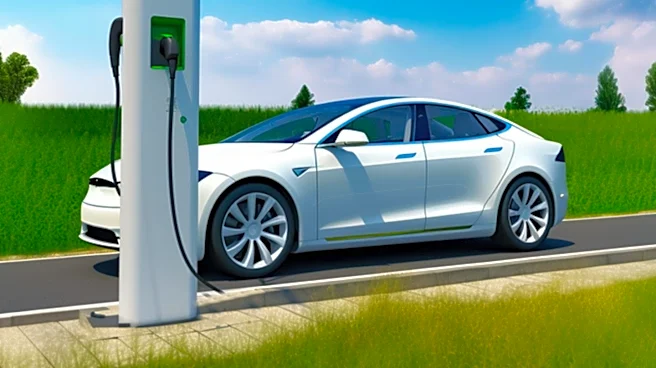
A study led by the University of California, Santa Cruz, has found that transitioning from internal combustion engine vehicles to battery electric vehicles (EVs) can significantly reduce carbon emissions. The research, published in the journal Science,
suggests that even scrapping a new gas-powered car in favor of an EV can be beneficial for the environment. The study highlights that personal vehicles are a major source of carbon emissions in the U.S., and switching to EVs, which run on electricity from the local power grid, can help mitigate climate change. The research also notes that the timing of retiring gas vehicles is crucial, as the emissions reduction benefits of driving an EV can outweigh the emissions from manufacturing it within a few years.
Why It's Important?
The findings underscore the importance of accelerating the transition to electric vehicles as a strategy to combat climate change. With transportation being the largest source of carbon emissions in the U.S., the study provides evidence that early adoption of EVs can lead to substantial environmental benefits. This has implications for policymakers who are considering incentives to encourage EV adoption. The study also highlights the role of local electricity grids in determining the emissions reduction potential of EVs, suggesting that areas with cleaner energy sources can achieve greater benefits. The research supports the expansion of programs that facilitate the transition to EVs, which could help reduce the nation's carbon footprint and promote sustainable transportation.
What's Next?
The study's results may influence future policy decisions regarding vehicle retirement programs and incentives for EV adoption. Policymakers might consider expanding eligibility for vehicle trade-in programs to include a broader range of gas-powered vehicles, not just the highest emitters. As renewable energy sources become more prevalent in the U.S. electricity grid, the emissions benefits of EVs are expected to increase. Additionally, the development of a robust EV battery recycling industry could further offset the initial carbon emissions associated with producing new EVs. These factors could drive more aggressive policies to support the transition to electric vehicles.