
What's Happening?
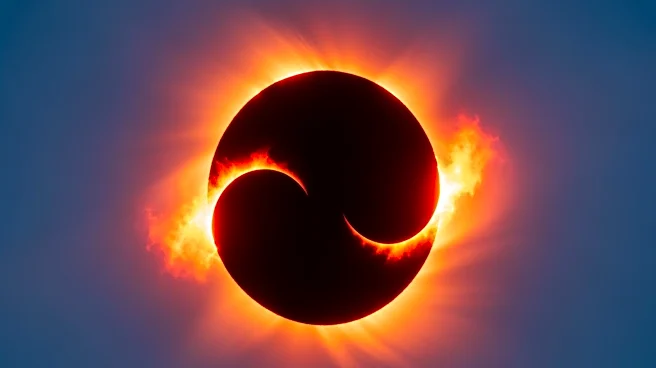
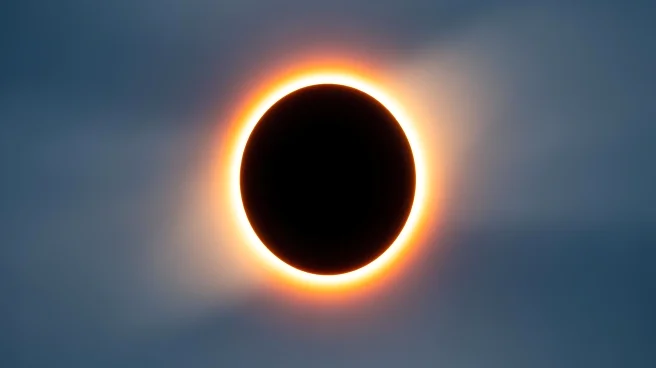
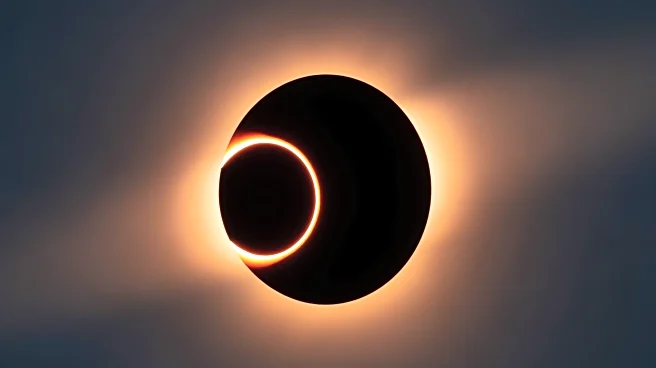
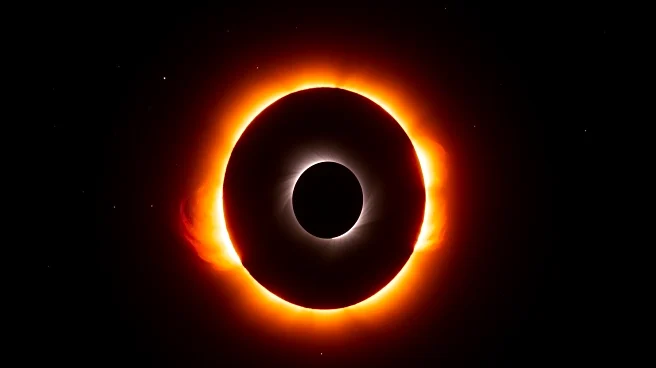
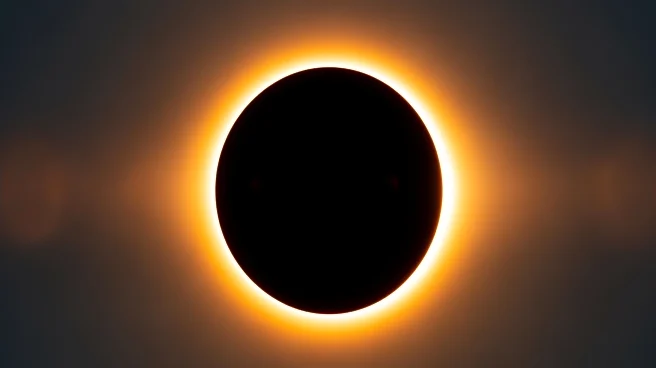
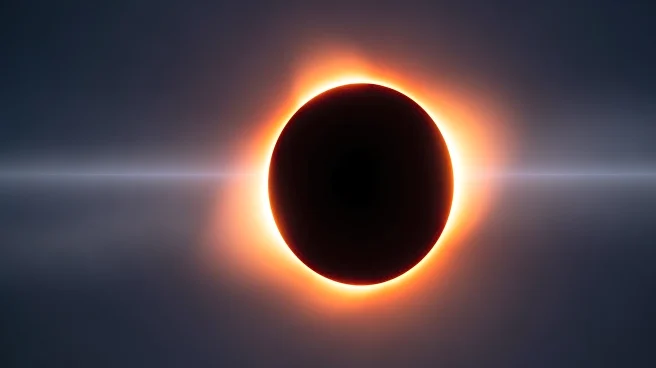
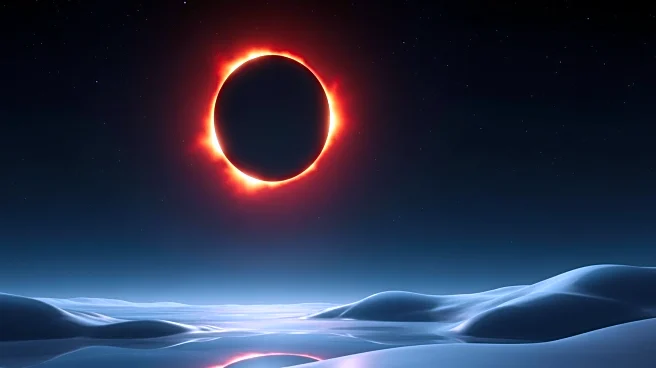
On February 17, 2026, an annular solar eclipse, commonly referred to as a 'ring of fire,' will occur. This celestial event happens when the moon passes directly in front of the sun during its new moon phase, but due to its position in its elliptical orbit,
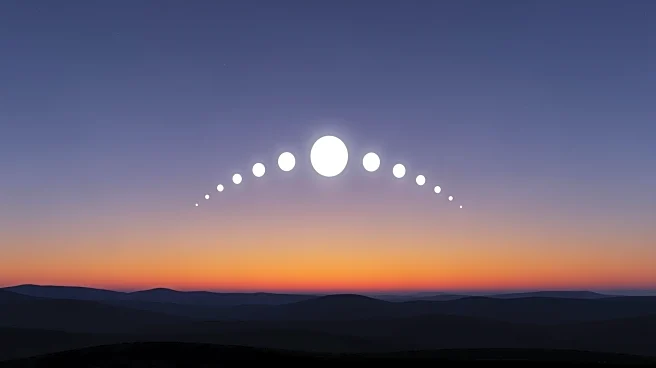
the moon appears smaller than the sun. This results in a bright ring of sunlight visible around the moon's edges. The full annular phase will be visible only along a narrow path across remote regions of Antarctica. However, a partial eclipse can be observed from parts of Argentina, Chile, South Africa, Mozambique, Madagascar, and large portions of the Pacific, Atlantic, and Indian oceans. The eclipse will begin at approximately 4:56 a.m. ET, reach its maximum at 7:12 a.m. ET, and end at 9:27 a.m. ET.
Why It's Important?
The annular solar eclipse is a significant astronomical event that draws interest from both professional astronomers and amateur stargazers. Such events provide opportunities for scientific study, particularly in understanding the sun's corona and other solar phenomena. For the general public, it offers a chance to witness a rare and visually striking natural occurrence. The event also highlights the importance of using proper eye protection, such as certified solar eclipse glasses, to safely observe the sun. Additionally, the eclipse can be a cultural event, as eclipses have historically been seen as omens or significant events in various cultures.
What's Next?
Following this annular solar eclipse, the next major solar event will be a total solar eclipse on August 12, 2026. This future eclipse will be partially visible across much of North America, providing another opportunity for observation and study. In the meantime, those interested in the February event can watch it via livestreams, as it will not be visible to everyone. This accessibility through technology allows a broader audience to experience the event, even if they are not in the path of visibility.