






What's Happening?
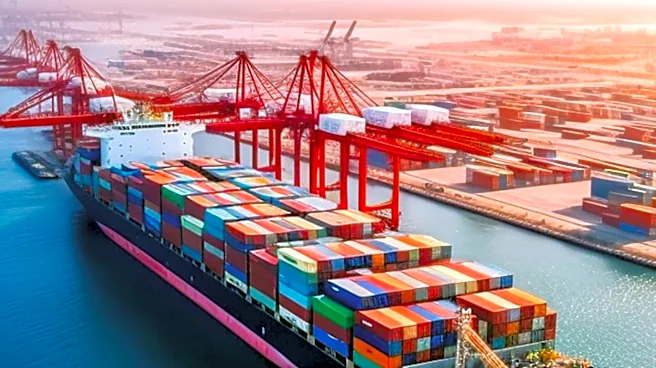
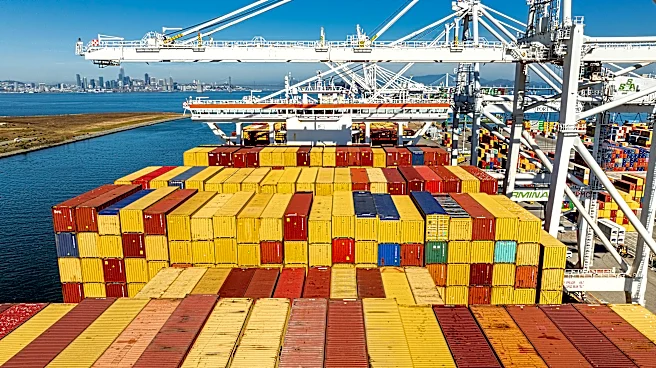
China's export growth is having a significant impact on global inflation, with its low-cost goods helping to reduce inflationary pressures in developed markets. Despite tariffs imposed by the U.S., Chinese exports continue to rise, suggesting that American
consumers have not shifted away from cheaper Chinese products. The discrepancy between U.S. and Chinese trade data indicates potential tariff avoidance, as highlighted by UBS's Paul Donovan. This situation underscores the complex dynamics of Sino-U.S. trade relations and their broader economic implications.
Why It's Important?
China's ability to maintain robust export growth despite trade barriers highlights its pivotal role in the global economy. The influx of affordable Chinese goods into developed markets helps mitigate inflation, benefiting consumers and businesses. However, the ongoing trade tensions and tariff avoidance strategies raise questions about the effectiveness of protectionist policies. This development has significant implications for international trade dynamics, economic policy, and the global supply chain, influencing how countries navigate their economic relationships with China.
What's Next?
As China continues to expand its export capabilities, countries may need to reassess their trade policies and strategies. The potential for further tariff adjustments and trade negotiations could shape the future of Sino-U.S. economic relations. Policymakers and businesses will need to consider the long-term impacts of China's export dominance on domestic industries and global markets. Monitoring these trends will be crucial for understanding the evolving landscape of international trade and its effects on inflation and economic growth.