



What's Happening?
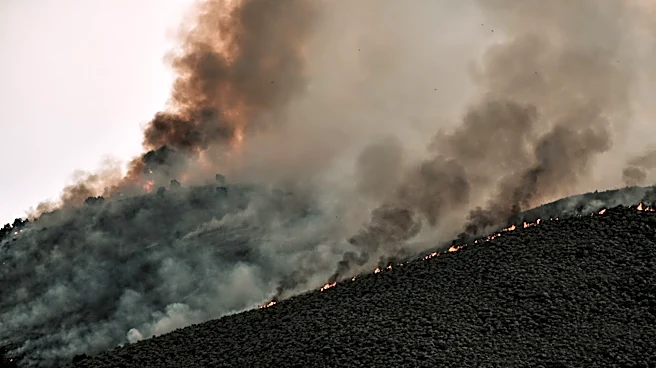
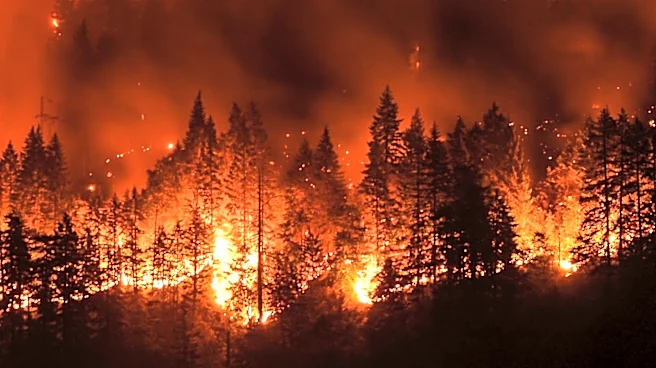
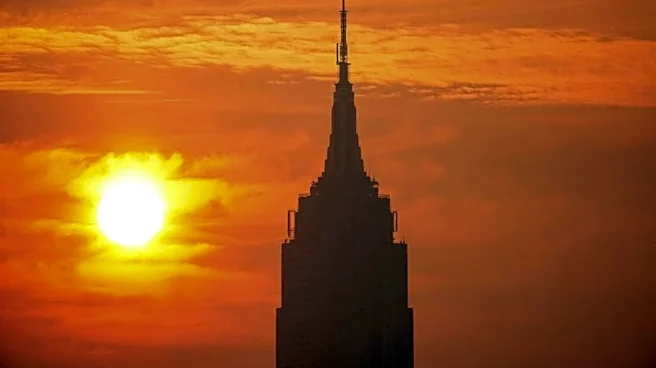
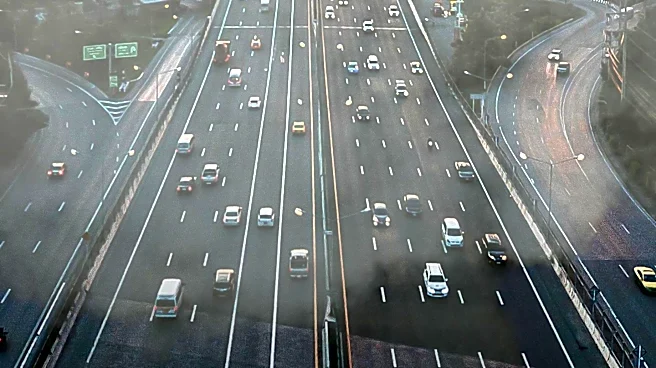
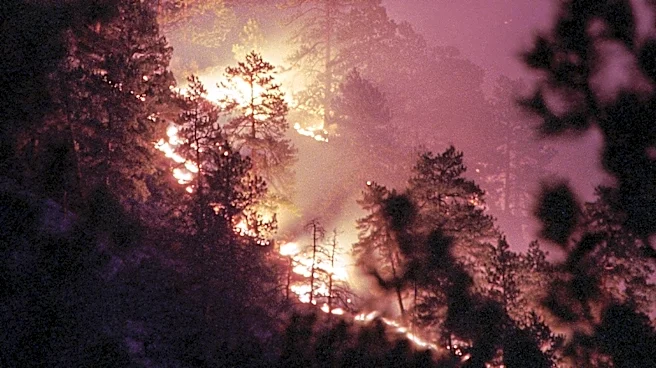
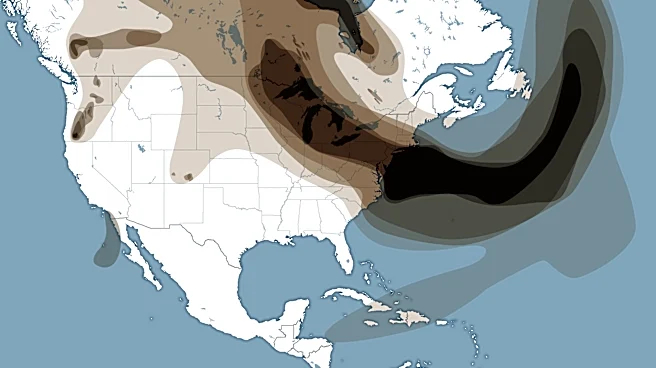
Wildfire smoke from Canada and northern Minnesota has led to unhealthy air quality levels across the U.S. Midwest and East Coast. Cities from the Great Lakes to the East Coast are experiencing reduced visibility and hazardous air conditions, prompting
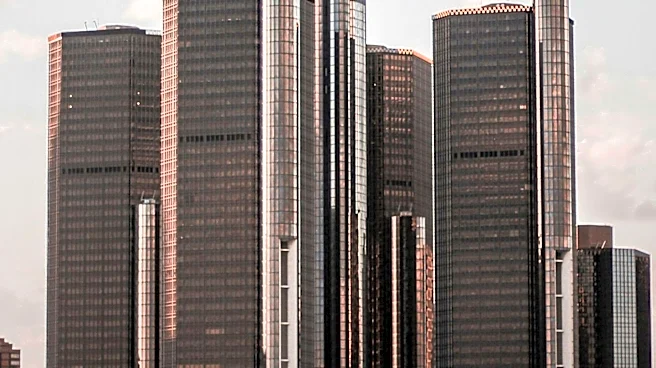
officials to advise residents to stay indoors or wear masks. The smoke, trapped by a high-pressure system, has resulted in some of the worst air quality levels in major cities like Detroit. The situation is expected to persist, with potential for recurring smoke until the fires are extinguished, which could take months. The smoke contains microscopic particles that pose health risks, particularly to those with pre-existing conditions.
Why It's Important?
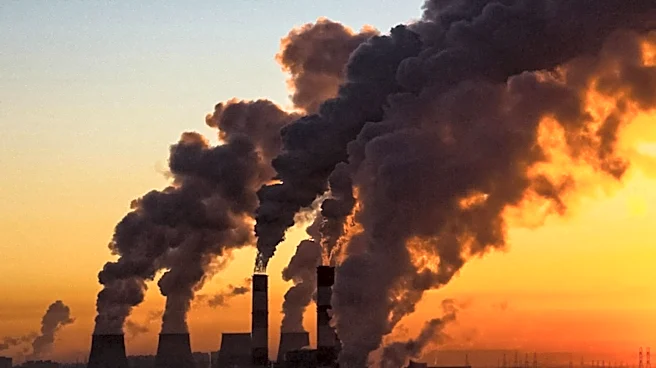
The widespread impact of wildfire smoke on air quality highlights the growing environmental challenges posed by wildfires, exacerbated by climate change. The health implications are significant, as prolonged exposure to poor air quality can lead to respiratory and cardiovascular issues. This situation underscores the need for effective wildfire management and climate action to mitigate future occurrences. The economic impact is also notable, as businesses and public services may face disruptions. Public health advisories and emergency responses are critical in protecting vulnerable populations during such events.
What's Next?
As the fires continue to burn, air quality is expected to fluctuate, with potential for improvement if weather conditions change. However, the risk of recurring smoke remains until the fires are fully contained. Authorities will likely continue to monitor air quality and issue advisories as needed. Long-term, there may be increased focus on policies aimed at reducing wildfire risks and addressing climate change. Public awareness campaigns and health advisories will play a crucial role in managing the ongoing situation.