




What's Happening?
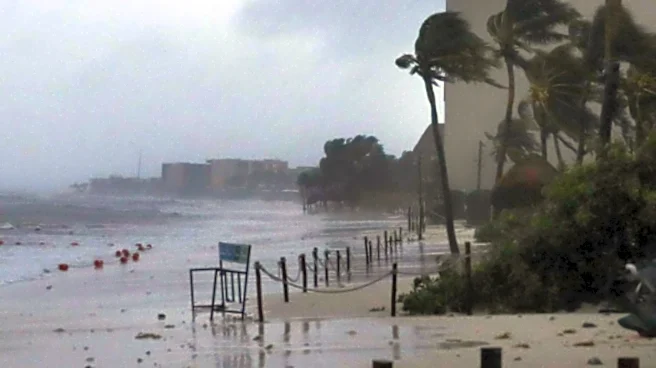
Ha Tinh province in Vietnam is preparing for potential natural disasters by implementing detailed evacuation plans. The province has outlined specific scenarios for evacuations based on the severity of storms, ranging from level 8 to super typhoons of level 14
or higher. In anticipation of severe weather, local authorities have identified safe evacuation sites and are ensuring these locations are stocked with essential supplies. The proactive measures include the relocation of thousands of residents from vulnerable areas, particularly in coastal and riverine regions. The province's disaster response strategy is based on the 'four on-the-spot' principle, emphasizing local readiness and resource availability.
Why It's Important?
The proactive disaster management approach in Ha Tinh province is crucial for minimizing the impact of severe weather events on human life and infrastructure. By preparing detailed evacuation plans and ensuring the availability of resources, the province aims to protect its residents from the devastating effects of typhoons and floods. This strategy not only safeguards lives but also helps maintain social stability and economic continuity in the region. The measures taken by Ha Tinh could serve as a model for other regions facing similar threats, highlighting the importance of preparedness in disaster-prone areas.
What's Next?
As the typhoon season progresses, Ha Tinh province will continue to monitor weather patterns and adjust its response plans accordingly. The local government is likely to conduct regular drills and simulations to ensure the effectiveness of their evacuation strategies. Additionally, ongoing communication with residents about safety protocols and evacuation procedures will be essential. The province may also collaborate with national and international agencies to enhance its disaster response capabilities and share best practices.