



What's Happening?
Kaden Matsuda, 19, and Jackson Donlon, 20, students at Colorado Mountain College in Leadville, were found dead on October 28 near West Apostle Mountain, outside Gunnison, Colorado. The two had embarked on a hiking and camping trip to Ice Mountain, a 13,960-foot
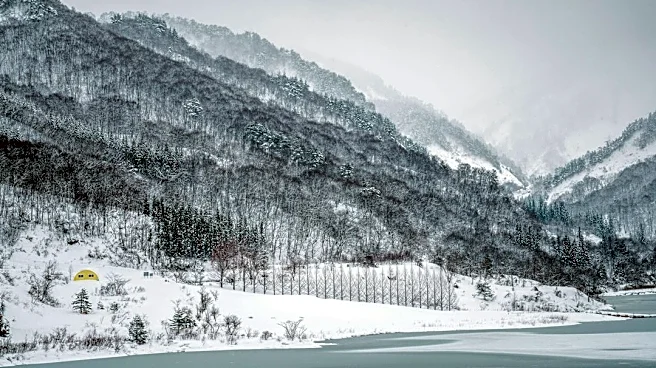
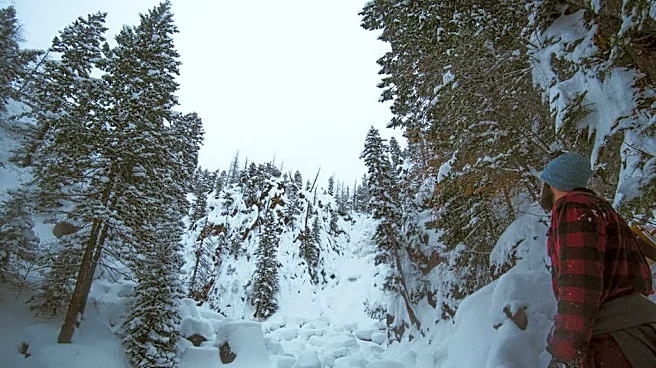
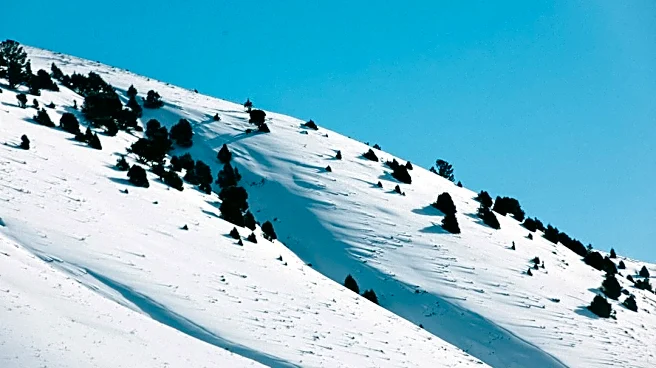
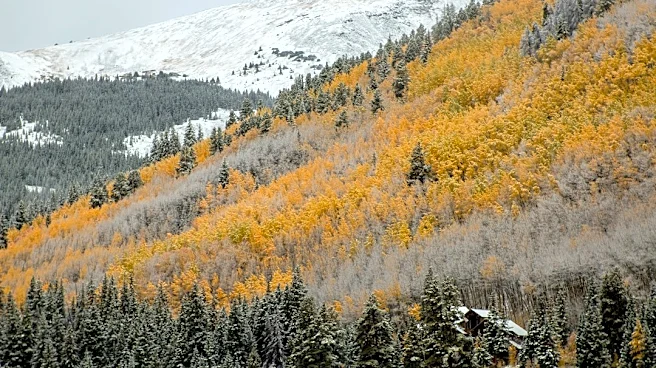
peak, on October 23. College staff reported them missing on October 26 to the Chaffee County Sheriff’s Office. Despite both being described as experienced hikers—Matsuda was studying to be a wildland firefighter, and Donlon was training to become a mountain guide—they encountered severe weather conditions. Search-and-rescue teams located their vehicle at the trailhead and later found their collapsed tent near West Apostle Mountain on October 27. The area had received one to two feet of snow, making the technical climb of Ice Mountain significantly more dangerous. Authorities have not released the cause of death but stated that foul play is not suspected.
Why It's Important?
This tragic incident underscores the inherent dangers of high-altitude mountaineering, particularly when adverse weather conditions are present. It highlights the critical importance of assessing environmental risks, even for experienced individuals. The deaths of Matsuda and Donlon, who were pursuing careers deeply connected to outdoor safety and guidance, serve as a somber reminder for outdoor enthusiasts and educational institutions that prepare students for such professions. The event could prompt a review of safety protocols and risk assessment training within outdoor education programs, especially those operating in challenging mountainous regions like Colorado's Sawatch Range. It also brings attention to the responsibilities of individuals to communicate their plans and be prepared for rapidly changing conditions in remote areas, where cell service can be unreliable.
What's Next?
Local authorities are expected to continue their investigation into the exact circumstances and cause of death for Matsuda and Donlon. This may involve detailed forensic analysis and a thorough review of the weather conditions and their impact on the hiking route. Colorado Mountain College and other outdoor education programs may re-evaluate their safety guidelines, pre-trip planning requirements, and emergency response protocols for student expeditions. The incident could also lead to increased public awareness campaigns regarding mountain safety, particularly concerning the risks associated with technical climbs and sudden weather shifts in the Sawatch Range. Families and friends of the deceased will be mourning their loss, and the community will likely reflect on how to prevent similar tragedies in the future.
Beyond the Headlines
The deaths of these two young, aspiring outdoor professionals raise broader questions about the balance between pursuing challenging outdoor activities and managing inherent risks. It highlights the fine line between experience and unforeseen circumstances in extreme environments. The incident could spark discussions within the outdoor community about the psychological and physical preparedness required for high-stakes activities, and the potential for overconfidence, even among those with significant training. Furthermore, it may influence how outdoor guiding and wildland firefighting programs emphasize risk mitigation and decision-making under pressure. The tragedy serves as a stark reminder that even with extensive preparation and skill, nature's unpredictability can have fatal consequences, prompting a deeper reflection on human vulnerability in the wilderness.