

What's Happening?
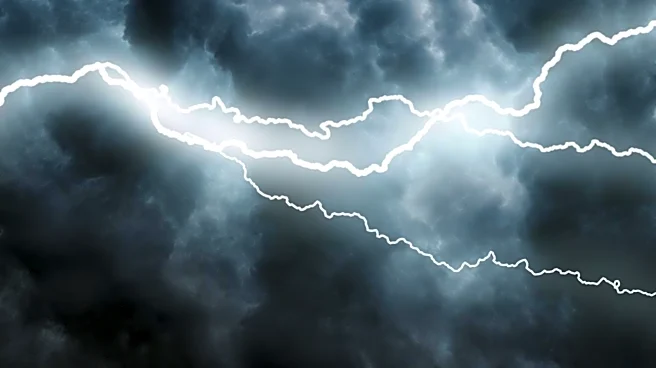
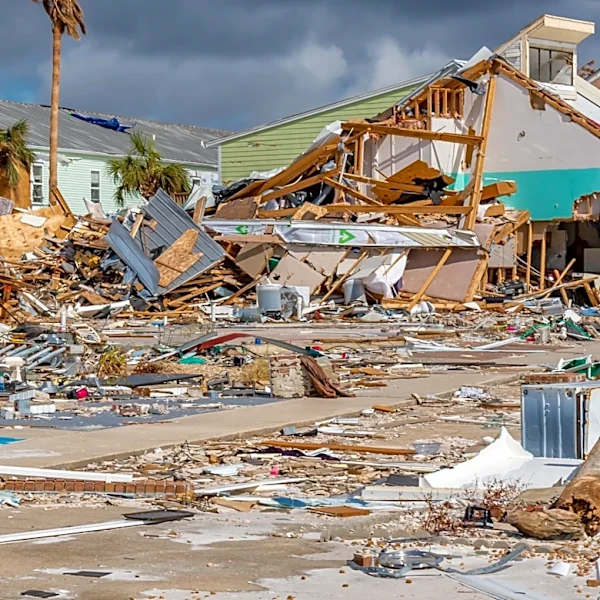
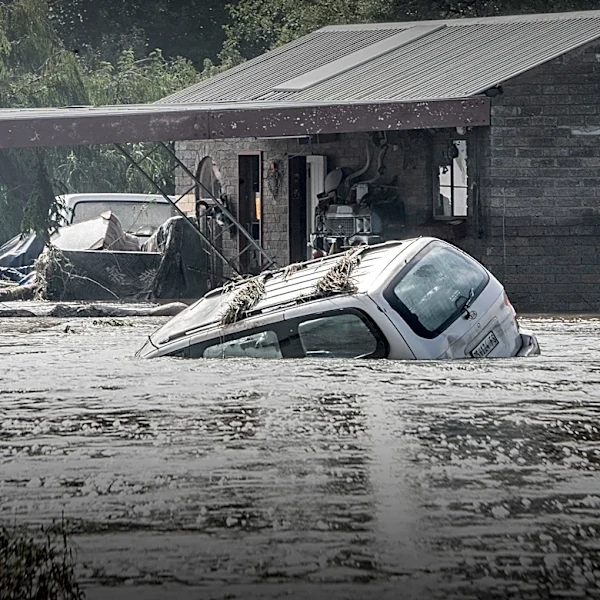
Recent research by climate risk modeling firm First Street indicates that severe convective storms (SCS), including tornadoes, hail, and powerful winds, now pose a greater threat to homeowners than hurricanes and other extreme weather events. In 2025,
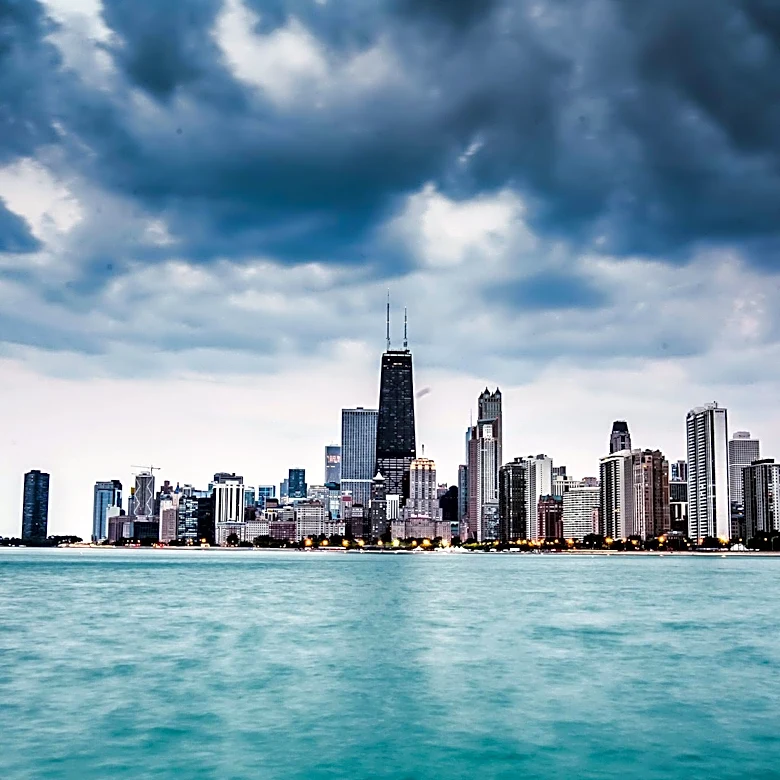
insurance payouts from SCS surpassed those from cyclones, making them the costliest insured natural disasters globally. The U.S. is particularly affected, with $68 billion of the $82 billion in global SCS losses occurring domestically. The Midwest and northern Texas are experiencing faster increases in insurance costs due to the prevalence of these storms. Illinois and Ohio are identified as particularly vulnerable due to their urban areas and valuable real estate. As these storms become more frequent, homeowners may face higher insurance premiums.
Why It's Important?
The shift in weather risk from hurricanes to severe convective storms has significant implications for the insurance industry and homeowners. As SCS become more frequent and costly, insurance companies may raise premiums, affecting affordability for homeowners, especially in high-risk areas. This trend could also influence real estate markets, as regions prone to SCS might see changes in property values. Additionally, the increased financial burden on insurance companies could lead to changes in coverage policies, potentially leaving some homeowners without adequate protection. Understanding these risks is crucial for policymakers and industry stakeholders to develop strategies to mitigate the impact on affected communities.
What's Next?
As severe convective storms continue to pose a growing threat, insurance companies and policymakers may need to reassess risk management strategies. This could involve developing new models for assessing and pricing risk, as well as exploring innovative insurance products that better address the unique challenges posed by SCS. Additionally, there may be increased pressure on local and federal governments to invest in infrastructure improvements and community resilience programs to better withstand these storms. Homeowners in high-risk areas might also be encouraged to adopt preventive measures, such as reinforcing structures and implementing advanced warning systems.