







What's Happening?
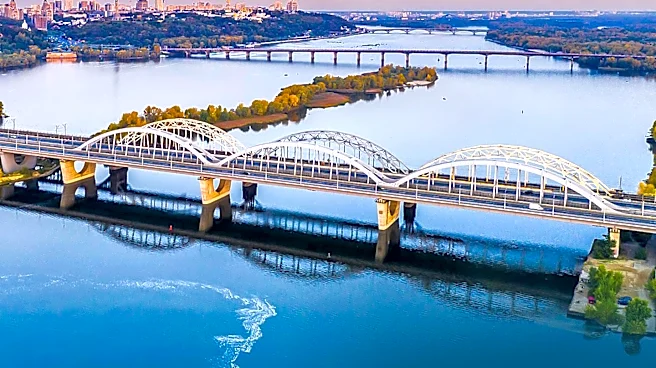
A drone strike on Tuesday morning has led to the closure of the Chonhar Bridge, a vital route connecting occupied Crimea to mainland Ukraine. Vladimir Saldo, the Kremlin-appointed head of the occupied Kherson region, announced the suspension of traffic
across the bridge following the attack. He advised drivers to use alternative routes through Armyansk and Perekop. The Chonhar Bridge is a crucial passage for Russian forces to transport personnel and supplies between the peninsula and southern Ukraine. The bridge spans the Syvash lagoon at the Chonhar Strait, approximately 140 kilometers southeast of Kherson and 90 kilometers north of Dzhankoi, a significant Russian military hub in northern Crimea. Saldo reported that Russian air defenses intercepted over 20 drones targeting the crossing, but some managed to hit their mark. This incident follows a previous strike on the same bridge on Sunday, which also halted vehicle traffic. As of Tuesday morning, there was no announcement on when normal traffic would resume. This attack is part of Kyiv's ongoing efforts to disrupt Russian logistics to occupied Crimea.
Why It's Important?
The closure of the Chonhar Bridge due to the drone strike is significant as it disrupts a key logistical route for Russian forces in the region. This development is part of Ukraine's broader strategy to weaken Russian military operations by targeting critical infrastructure. The disruption of supply lines could lead to logistical challenges for Russian forces, potentially affecting their operational capabilities in southern Ukraine. Additionally, the attack exacerbates existing fuel shortages in Crimea, where cash sales of gasoline have been banned, and fuel purchases are limited to ration coupons. These shortages could lead to further economic and social strain on the peninsula, impacting both the civilian population and military operations. The ongoing strikes highlight the increasing intensity of the conflict and the strategic importance of infrastructure in warfare.
What's Next?
The immediate consequence of the bridge closure is the need for Russian forces to find alternative routes for transporting supplies and personnel, which could lead to delays and increased logistical challenges. The ongoing strikes on transport routes suggest that Ukraine will continue to target infrastructure to disrupt Russian operations. This could lead to further fuel and food shortages in Crimea, increasing pressure on the local population and occupation authorities. The situation may prompt Russia to enhance its air defense systems and explore new logistical strategies to mitigate the impact of such attacks. The international community will likely continue to monitor the situation closely, as further escalation could have broader implications for regional stability.