




What's Happening?
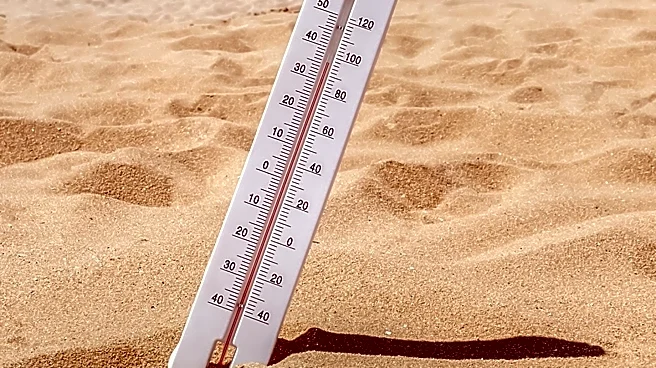
A strengthening El Niño, combined with warming ocean temperatures, is pushing global temperatures into 'uncharted territory,' according to climate experts. The eastern United States experienced extreme heat over the July Fourth weekend, while Europe faced
a deadly heatwave, with Germany breaking all-time temperature records. The World Meteorological Organization and the World Health Organization have highlighted the severe health risks posed by such extreme heat, which is exacerbated by climate change. The global average surface temperatures have been significantly above pre-Industrial Revolution levels, and forecasts suggest they could rise even further in the coming months. The warming oceans, coupled with El Niño, are expected to contribute to more extreme weather events, including increased precipitation and flooding, sea level rise, and stress on marine ecosystems.
Why It's Important?
The intensifying heat and its associated impacts underscore the urgent need for climate action. The U.S. and Europe are already experiencing the consequences of these climatic changes, with significant health risks and potential economic disruptions. The extreme heat poses a direct threat to public health, as it can lead to heat-related illnesses and exacerbate existing health conditions. Additionally, the economic implications are vast, affecting agriculture, infrastructure, and energy consumption. The situation calls for enhanced preparedness and adaptation strategies to mitigate the impacts of such extreme weather events. The ongoing climate changes highlight the critical importance of global cooperation in addressing the root causes of climate change and implementing sustainable solutions.
What's Next?
As El Niño continues to strengthen, the U.S. and other affected regions are likely to experience more frequent and intense heatwaves. This could lead to increased demand for cooling and energy resources, straining existing infrastructure. Policymakers and public health officials may need to implement emergency measures to protect vulnerable populations and manage the health impacts of extreme heat. Additionally, there may be a push for more robust climate policies and international agreements to curb greenhouse gas emissions and promote renewable energy sources. The scientific community will continue to monitor and model these climatic changes to provide accurate forecasts and inform policy decisions.
Beyond the Headlines
The current climatic conditions highlight the broader implications of climate change, including ethical and social dimensions. The disproportionate impact on vulnerable communities raises questions about environmental justice and the need for equitable climate solutions. The situation also emphasizes the importance of integrating climate considerations into urban planning and development to build resilient communities. Long-term shifts in weather patterns could alter ecosystems and biodiversity, necessitating adaptive management strategies. The ongoing changes may also influence cultural and societal norms, as communities adapt to new environmental realities.