







What's Happening?
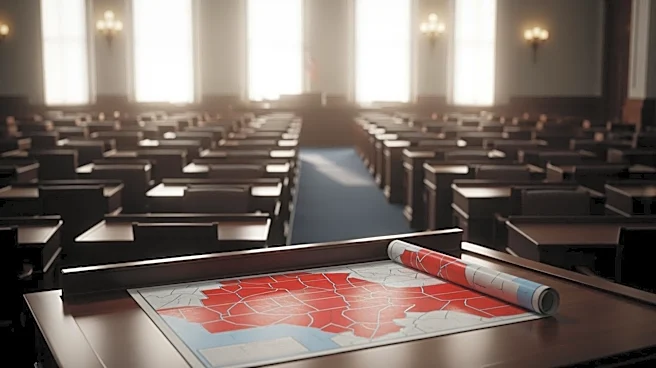
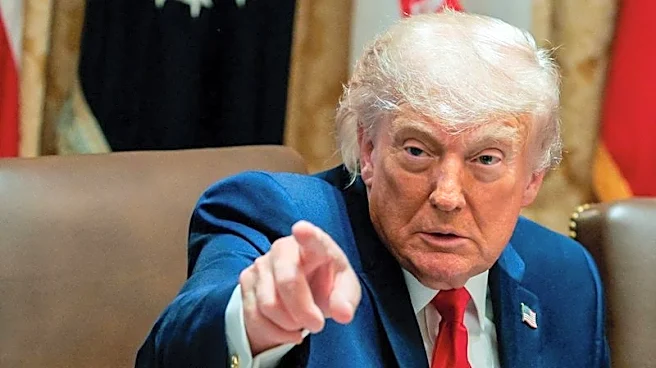
As the midterm elections approach, the Republican Party is grappling with how to effectively campaign amidst declining approval ratings for President Trump and economic challenges. High gas prices and inflation are key issues, with Republicans seeking
to focus on affordability and tax cuts as central campaign themes. However, internal divisions and criticism of some of Trump's major priorities, such as a legal payout fund and allocations tied to the White House, complicate the party's messaging. With polls indicating a preference for Democrats in Congress, Republicans are strategizing on how to appeal to voters while managing the impact of national political dynamics.
Why It's Important?
The Republican Party's ability to craft a compelling campaign message is crucial for maintaining control of Congress and other key political positions. The economic issues facing the country, such as inflation and high gas prices, are significant concerns for voters and could influence election outcomes. The party's strategy will need to address these issues while also navigating the challenges posed by President Trump's declining popularity and internal party divisions. The outcome of the midterms will have significant implications for the party's future direction and policy priorities.
What's Next?
Republicans will need to refine their campaign strategy to effectively address voter concerns about the economy and other key issues. This may involve emphasizing legislative achievements, such as tax cuts, and contrasting their policies with those of the Democrats. The party will also need to manage internal divisions and ensure a unified message to maximize their chances of success in the midterms. The election results will provide insights into the effectiveness of the party's strategy and the broader political landscape in the U.S.