




What's Happening?
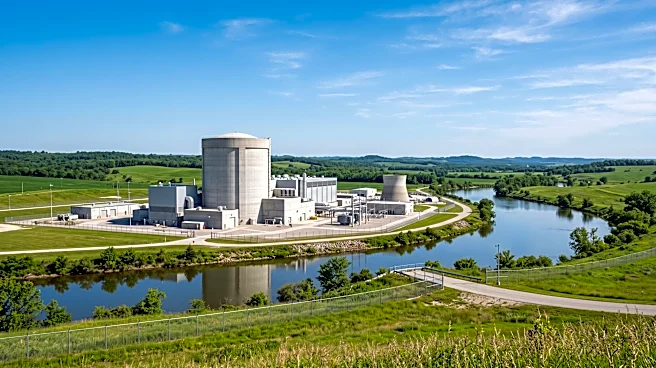
The Iowa Nuclear Energy Task Force, established in January by the governor, has released its recommendations to evaluate and advance nuclear energy opportunities within the state. The task force proposes creating a single point of contact within the state government
to facilitate nuclear energy development activities. Following this, a statewide nuclear feasibility study is recommended to identify suitable areas for new nuclear development, considering technical, commercial, regulatory, and community acceptance factors. After the study's completion, the task force suggests establishing a 'nuclear-ready' program to guide and support communities interested in exploring nuclear energy. Additionally, the recommendations include identifying and pursuing state incentives and policy changes to attract nuclear reactor investments, while also coordinating with federal decision-makers to secure federal funding for Iowan entities and projects.
Why It's Important?
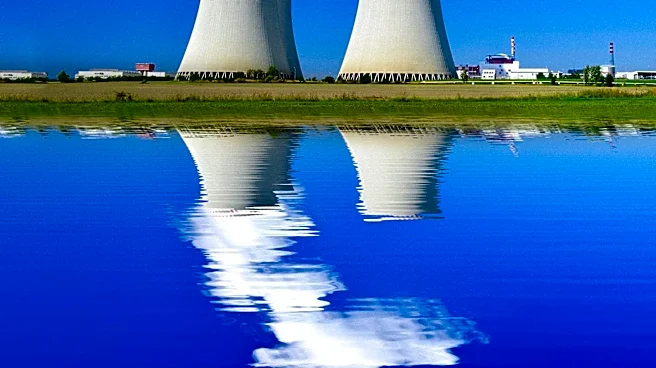
These recommendations are significant for Iowa's energy future and economic development. With increasing electricity demand driven by data centers, manufacturing, and industrial expansion, the state needs reliable power sources. The task force's report highlights that Iowa is well-positioned to participate in the U.S. nuclear industry due to its growing electricity demand, strong manufacturing base, existing energy leadership in renewables, and a workforce adaptable to nuclear operations. Embracing nuclear energy could strengthen Iowa's energy portfolio, support economic growth, and ensure a stable power supply for industries. The proposed 'nuclear-ready' program and state incentives aim to make Iowa an attractive location for nuclear-related investments, potentially creating new jobs and tax revenue. This strategic move could also position Iowa to capitalize on federal funding opportunities and become a leader in advanced nuclear energy technologies.
What's Next?
The next steps involve the state government reviewing and potentially implementing the recommendations from the Nuclear Energy Task Force. This would likely begin with the establishment of a single point of contact for nuclear energy development and the initiation of a statewide nuclear feasibility study. Following the study, the creation of a 'nuclear-ready' program for interested communities would be a key development. Concurrently, state lawmakers and policymakers will need to consider and potentially enact new incentives and policy changes to attract nuclear investments. Coordination with federal agencies will be crucial to align state efforts with national nuclear energy strategies and secure federal funding. The success of these initiatives will depend on political will, public acceptance, and the ability to overcome potential challenges such as high costs and long development timelines.
Beyond the Headlines
The push for nuclear energy in Iowa reflects a broader national trend where states are re-evaluating their energy portfolios in response to rising electricity demands and the need for reliable, carbon-free power. The task force's emphasis on economic development, workforce training, and supply chain opportunities highlights nuclear energy's potential as a catalyst for industrial growth beyond just power generation. The report's acknowledgment of the significant growth in electricity demand from data centers underscores a critical challenge for modern economies: how to power energy-intensive digital infrastructure sustainably. By exploring nuclear energy, Iowa is not only addressing its immediate energy needs but also positioning itself for long-term economic resilience in an increasingly digital world. The focus on community engagement and addressing regulatory hurdles also points to a more holistic approach to nuclear development, aiming to build public trust and streamline deployment processes.