

What's Happening?
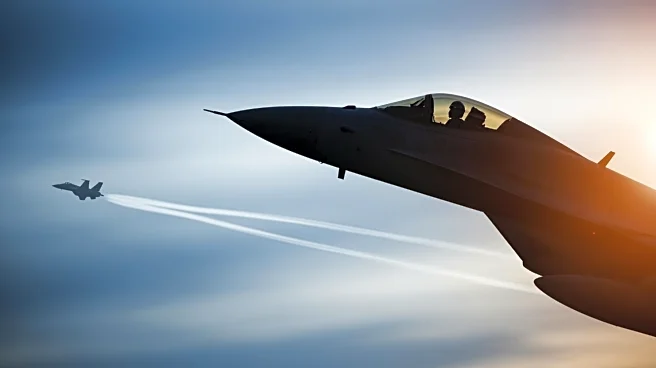
The U.S. Air Force Special Operations Command (AFSOC) is undergoing a fleet overhaul, focusing on modernizing its aircraft for light attack and surveillance roles. The introduction of the L3Harris OA-1K Skyraider II is central to this effort, despite
concerns about its survivability. AFSOC plans to reduce the fleet size from 75 to 62 aircraft, addressing criticisms from the Government Accountability Office. The command is also expanding the use of uncrewed MQ-9 Reapers and integrating new technologies under the Airborne Adaptive Enterprise program. These changes aim to enhance the capabilities of special operations forces in diverse operational environments.
Why It's Important?
The modernization of AFSOC's fleet is critical for maintaining the operational effectiveness of U.S. special operations forces. The introduction of advanced aircraft and technologies ensures that these forces can meet evolving threats and mission requirements. The focus on integrating uncrewed systems and enhancing ISR capabilities reflects broader trends in military innovation. These developments have implications for defense policy and budget allocations, as well as the strategic posture of the U.S. military. The modernization efforts also highlight the challenges of balancing technological advancement with cost-effectiveness and operational needs.
What's Next?
As AFSOC continues its modernization efforts, further evaluations of aircraft performance and survivability will be necessary. The command may explore additional partnerships with defense contractors to develop and integrate new technologies. The outcomes of these initiatives could influence future procurement decisions and shape the strategic direction of U.S. special operations forces. Stakeholders, including policymakers and military leaders, will need to assess the long-term implications of these changes for national security and defense strategy.
Beyond the Headlines
The modernization of AFSOC's fleet raises questions about the ethical and strategic considerations of using advanced military technologies. The integration of uncrewed systems and AI-driven capabilities highlights the ongoing debate about the role of automation in warfare. These developments also reflect broader shifts in military doctrine, emphasizing the importance of adaptability and innovation. As the U.S. military continues to evolve, the balance between human and technological elements in operations will remain a critical area of focus.