




What's Happening?
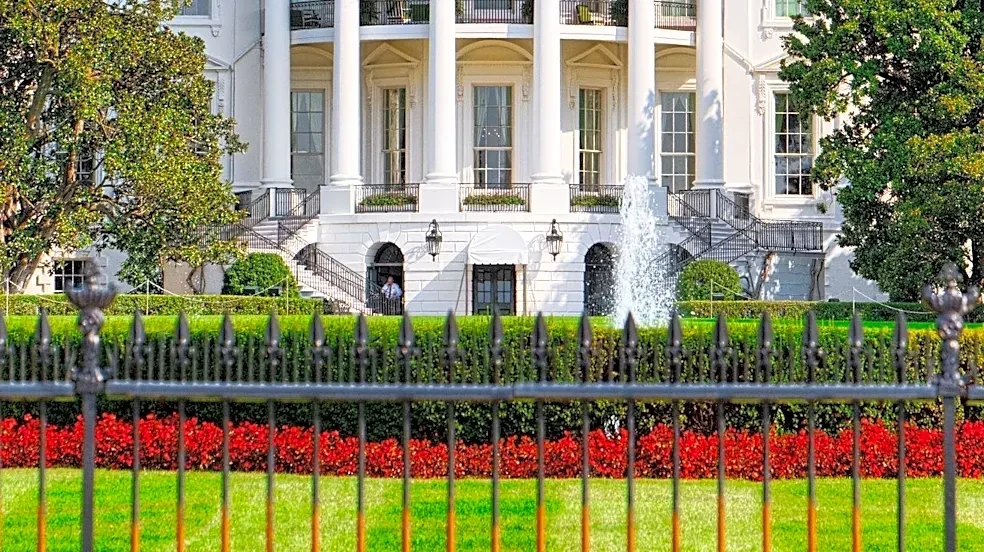
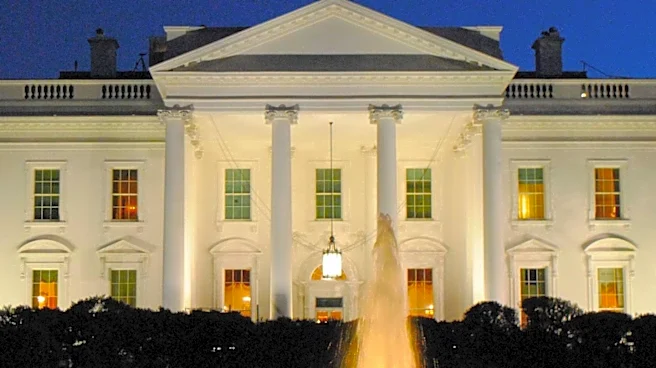
The White House, beyond its function as the residence of the President of the United States, is home to a significant and often overlooked American art collection. According to American art historian Leslie Greene Bowman, who served on the Committee for
the Preservation of the White House under four presidents, this collection rivals those found in major museums globally. Bowman has authored a new book, 'Art for the White House,' which details the history and contents of this collection. She notes that many Americans are unaware of the depth and quality of the art housed within the executive mansion. The collection's origins trace back to a single iconic piece: a full-length portrait of George Washington, which was placed in the White House before any other furnishings. First Lady Jacqueline Kennedy significantly expanded the collection, incorporating landscapes and portraits to reflect the nation's people, history, and culture, a practice continued by every subsequent presidential administration.
Why It's Important?
This revelation highlights the White House not just as a political center but also as a cultural institution and a repository of American heritage. The art collection serves as a visual narrative of the nation's history, reflecting its artistic evolution and the diverse stories of its people. As Bowman states, it acts as a "wonderful ambassador for our civilization and our culture." By showcasing American art, the collection contributes to national identity and provides a unique educational resource. Its existence underscores the importance of art in public spaces and its role in diplomatic and cultural exchange. The continuous expansion of the collection by various administrations demonstrates a bipartisan commitment to preserving and celebrating American artistic achievements, making it a living museum that evolves with the nation.
What's Next?
The publication of Leslie Greene Bowman's book, 'Art for the White House,' is expected to increase public awareness and appreciation for the White House art collection. This could lead to a surge in interest for in-person tours of the White House, allowing more citizens to experience the collection firsthand. Additionally, the White House Historical Association's website offers virtual walk-throughs, providing accessible viewing options for a broader audience. Increased public engagement might also encourage further scholarly research and educational programs centered around the collection. Future presidential administrations will likely continue the tradition of adding to the collection, ensuring its ongoing growth and relevance as a reflection of contemporary American art and history.
Beyond the Headlines
The White House art collection offers a profound insight into the intersection of art, power, and national identity. It serves as a silent chronicler of American history, with each piece potentially reflecting the prevailing artistic tastes, political sentiments, and cultural values of its time. The collection's evolution, particularly its expansion under Jacqueline Kennedy, underscores the role of First Ladies in shaping the cultural landscape of the presidency. Ethically, the curation and display of this art raise questions about representation, historical accuracy, and the narratives chosen to define the nation. It also highlights the enduring power of art to communicate, inspire, and connect generations, making the White House not just a seat of government but a dynamic cultural landmark.